
How to Schedule After Hours Freight Reliably
Learn how to schedule after hours freight with clear booking details, temperature controls and reliable delivery planning for urgent food loads across SEQ.
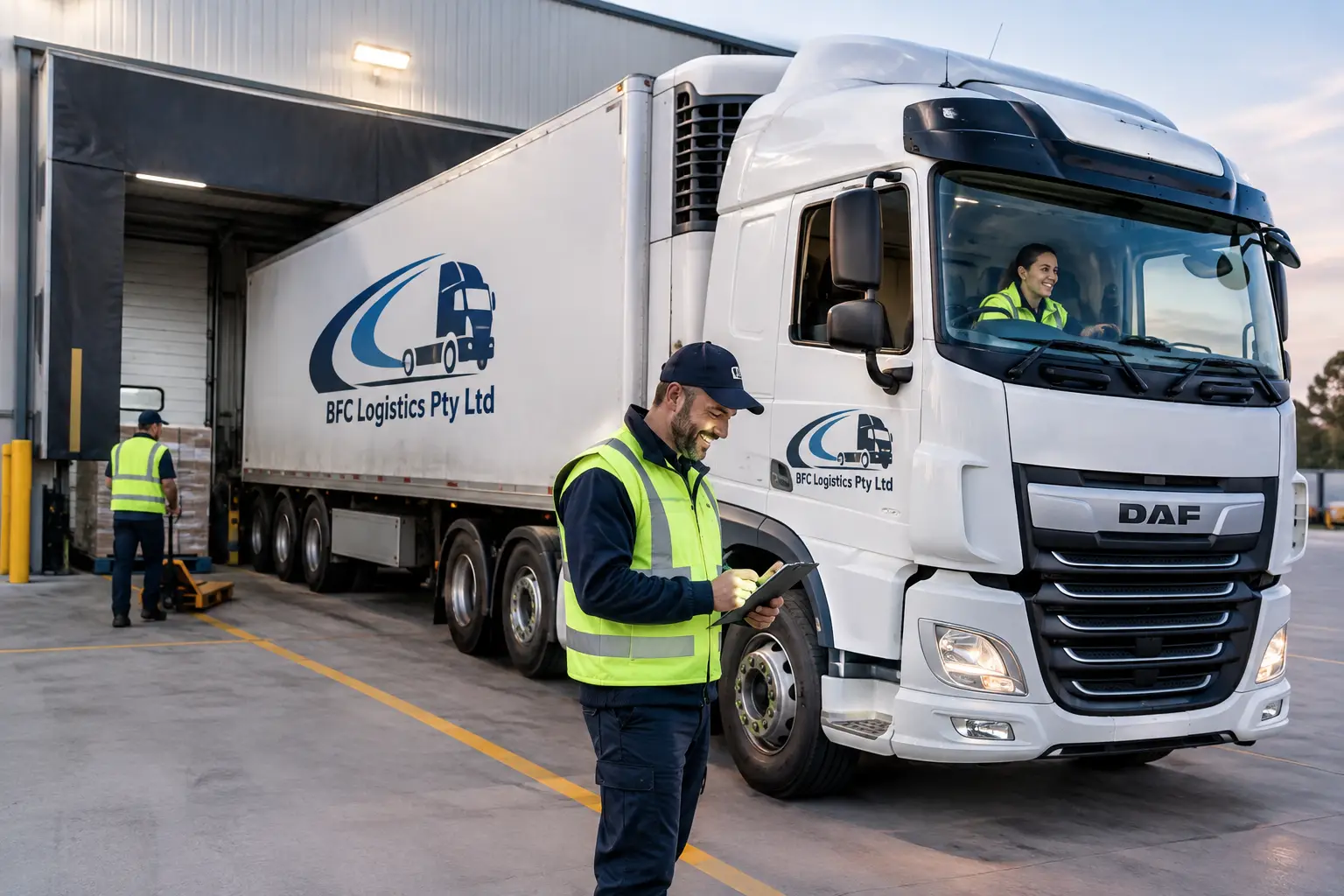
A late production run, a weekend receiving window or an early-morning store delivery can put ordinary freight arrangements under pressure. To schedule after-hours freight reliably, the booking needs more than a collection time. It needs clear site access instructions, confirmed contacts, the right vehicle and temperature requirements that are understood before the truck arrives.
For food, dairy, meat, poultry and frozen products, an after-hours delivery is not simply a matter of moving the load later. Product integrity, cold-chain control and safe site procedures still apply when the warehouse office is closed. A well-planned booking gives every party a clear plan and reduces the risk of missed windows, rejected stock and unnecessary waiting time.
When after-hours freight makes commercial sense
After-hours transport is often the practical answer when daytime congestion, production schedules or limited loading bays restrict normal delivery options. Manufacturers may need finished goods collected after a late shift. Distributors may need chilled stock delivered before a morning dispatch cycle. Retail and food service sites may only accept freight overnight or on weekends to keep receiving areas clear during trading hours.
The benefit is not just flexibility. A correctly timed service can keep stock moving while protecting shelf life and supporting the next stage of your operation. It can also prevent a vehicle from waiting through a busy daytime dock schedule, provided the receiving site is ready and access has been confirmed.
There is a trade-off. Out-of-hours bookings require more detail than a standard daytime run because fewer people are available to resolve problems on the spot. If a gate code is missing, a dock is occupied or the receiving contact does not answer their mobile, the freight may be delayed. Good planning is what makes a flexible service dependable rather than costly.
How to schedule after-hours freight without gaps
Start by confirming the exact collection and delivery windows. Terms such as “late afternoon” or “overnight” leave too much room for interpretation. State when the load will be ready, the earliest vehicle arrival time, the latest acceptable arrival time and whether the receiver has a fixed booking slot.
Just as importantly, identify who can make decisions outside normal business hours. Provide a primary contact and a backup contact for both the collection and delivery points. Both contacts should know the booking is taking place and be authorised to deal with access, paperwork and any unexpected delay.
Accurate freight information should be supplied when requesting a quote or placing a booking. This includes the number of pallets or cartons, pallet dimensions, total weight, product type and whether the freight is chilled, frozen, ambient or requires a particular set point. Mention fragile packaging, mixed-temperature loads, loose cartons and any handling restrictions early. These details determine the suitable vehicle, equipment and loading plan.
For sites without a loading dock, advise whether atailgate lifteris required. A tailgate-equipped truck can make collection or delivery possible at premises where forklifts and dock access are not available, but it needs suitable space to operate safely. Narrow driveways, uneven ground, low clearance and shared car parks should all be raised at booking stage.
Confirm access before the vehicle is dispatched
After-hours site access is one of the most common sources of avoidable delay. Include the full address, entry point, gate codes, alarm or sign-in procedures, parking instructions and any required personal protective equipment. If the site has a security guard, reception desk or intercom system, confirm that they have been advised of the vehicle arrival.
It is also worth checking the practical details that can be overlooked during the day. Can a refrigerated truck enter the site after the gates are locked? Is the loading zone kept clear overnight? Does the receiver need advance notice before opening a roller door? A short access check before dispatch protects both the delivery window and driver safety.
Keep temperature control central to the booking
Temperature-controlled freight cannot be treated as an afterthought because the collection occurs at night or over a weekend. The product specification should be clear from the beginning, including the required carriage temperature and whether the freight must remain frozen, chilled or dry throughout transport.
The condition of the load at collection matters as much as the vehicle temperature. Goods should be packed, labelled and ready for collection at the agreed time. Chilled and frozen products should not be left in an unrefrigerated staging area while waiting for the truck. Where applicable, ensure pallets are stable, wrapped appropriately and separated in a way that supports safe handling and airflow.
Temperature monitoringprovides accountability during transport, but it works best alongside clear instructions and disciplined loading practices. For sensitive food freight, choose a carrier with suitable refrigerated equipment, trained drivers and recognised food safety standards. BFC Logistics operates with SAFE FOOD accreditation and monitored temperature-controlled transport for chilled, frozen and dry freight, including overnight and weekend services across Brisbane and South East Queensland.
If a load contains products with different requirements, explain this before the job is accepted. Some combinations can be carried safely with the right arrangement; others may require separate handling or a different service plan. Asking the question early is far better than discovering a limitation at collection.
Build realistic time into the freight plan
An after-hours service may avoid peak traffic, but it does not remove the need for realistic scheduling. Allow time for loading, checking paperwork, securing pallets, site entry and unloading. A booking that leaves no margin can create pressure for warehouse staff and drivers, especially when a single missed slot affects the next collection.
For regular runs, a consistent booking process helps. Use the same collection instructions, contact list, temperature requirements and receiving procedure each time, then update them whenever a site changes its access rules or operating hours. This reduces the chance that critical information sits only with one staff member or is lost between shifts.
Forurgent freight, provide the essential facts in one clear message: collection address and ready time, delivery address and required window, freight dimensions and weight, temperature requirement, handling needs, and after-hours contacts. A carrier can respond faster when it does not need to chase basic details across several calls.
Transparent pricing also depends on accurate information. After-hours work may involve different operating conditions, waiting time, additional handling or specialised equipment. A comprehensive quote lets your team understand the service scope upfront rather than dealing with uncertainty after the freight has moved.
What to do when the schedule changes
Changes happen. Production can run late, stock can fail a final check, or a receiving site can temporarily lose access to its dock. Notify the carrier as soon as the change is known, even if the revised timing is not final. Early notice gives dispatch the best chance to adjust vehicle allocation and protect the delivery plan.
Do not assume that a driver can wait indefinitely at a closed site or make an unscheduled redelivery without affecting other committed work. If the receiver is unavailable, an agreed escalation process helps: call the primary contact, then the backup contact, then follow the instruction documented on the booking. This is especially useful for weekend and overnight work, when the usual office team may not be available.
After a new after-hours route has been completed, review the first few jobs. Check whether the vehicle arrived within the required window, whether access instructions were sufficient and whether the load was received in the expected condition. Small improvements to booking notes can make recurring services easier to manage and more reliable over time.
The strongest after-hours freight plan is simple: give the carrier complete information, prepare the site and product properly, and keep a reachable contact in place until the load is received. That preparation gives sensitive freight the care it requires, regardless of what time the wheels start turning.
NEED TEMPERATURE-CONTROLLED TRANSPORT?
Talk to BFC about your freight, delivery window and temperature requirements.
Request a quote