Urgent Freezer Shipment When Time Is Tight
Need an urgent freezer shipment in South East Queensland? Confirm temperature, timing and site access before dispatch to protect frozen stock safely.
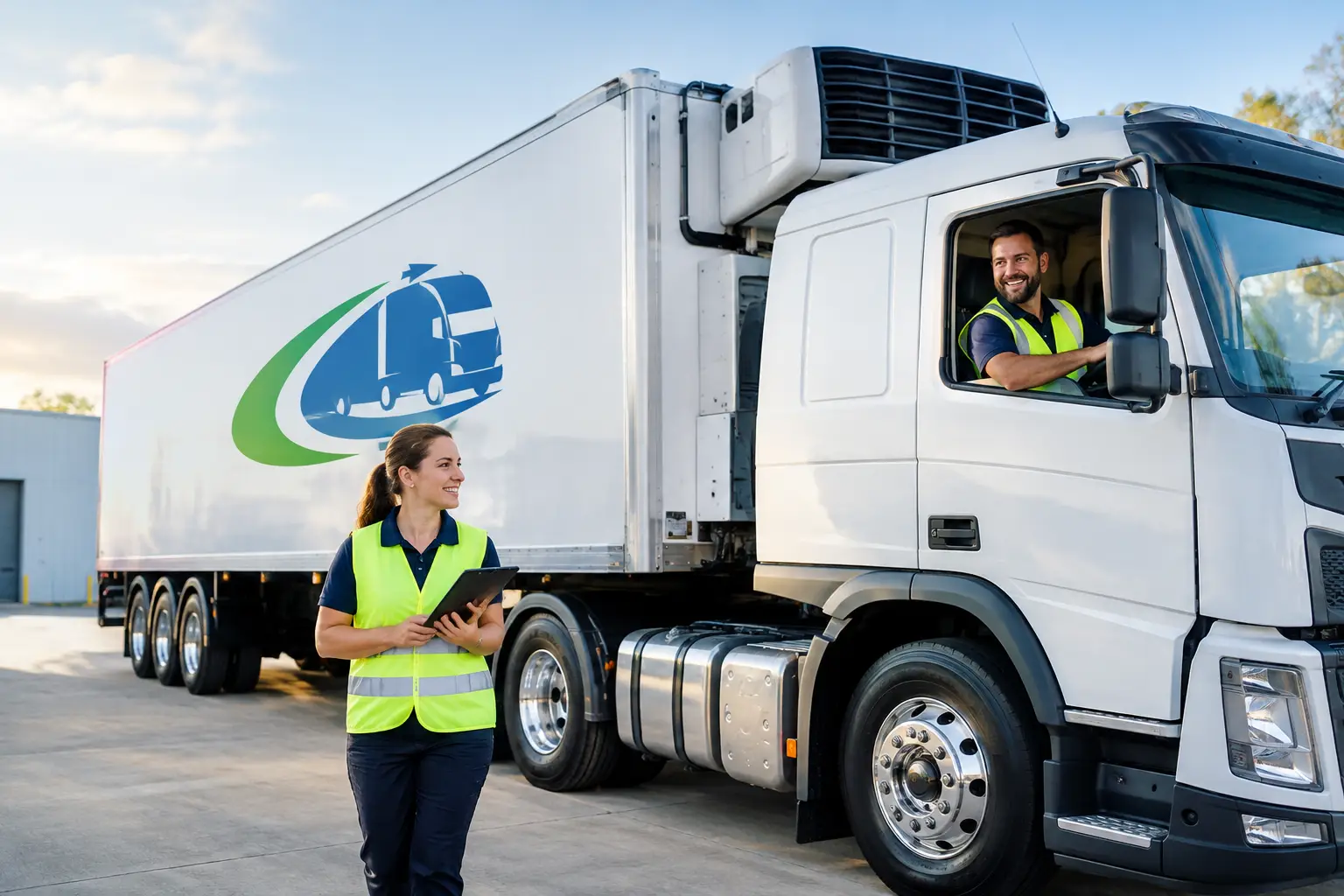
A delayed freezer truck can quickly become a stock-risk problem. When you need anurgent freezer shipment, the priority is not simply finding the first available vehicle. It is arranging transport that can maintain the required temperature, meet the delivery window and handle the load correctly from collection through to proof of delivery.
For frozen food, meat, poultry, dairy and freezer products, time pressure does not remove the need for control. A fast response matters, but so do clear instructions, monitored equipment and a carrier that understands what is at stake if the product arrives outside specification.
Start with the product temperature requirement
“Frozen” is not a complete transport instruction. Before booking, confirm therequired set pointfor the product, whether it must remain hard frozen, and whether there are any customer-specific temperature or handling requirements. Many frozen products are carried at or below -18°C, but the correct setting always depends on the product specification and the receiver’s requirements.
Give the carrier the information they need to plan the job properly: the product type, pallet count or carton count, gross weight, packaging condition and required temperature. If stock has already been loaded, held on a dock or transferred between cold rooms, say so. Accurate information at the start helps the transport provider assign suitable equipment and avoid delays at collection.
Temperature control also depends on loading discipline. Frozen freight should be ready to load when the truck arrives, not left waiting in an ambient dispatch area while paperwork or picking is completed. Every minute spent unnecessarily outside controlled storage adds pressure to the cold chain.
What an urgent freezer shipment needs before dispatch
A last-minute booking runs best when the operational details are clear. The carrier needs the collection address, delivery address, contact names, mobile numbers, available loading times and required delivery time. It is also useful to confirm whether either site has restricted access, booking procedures, security requirements or a time limit for unloading.
Four details commonly determine whether an urgent job can move without disruption:
- the exact collection-ready time, rather than an estimate
- the delivery deadline and whether a receiver booking is already confirmed
- the number, dimensions and weight of pallets or cartons
- site equipment, including dock access, forklift availability and any need for atailgate lifter
This information is practical, not administrative. A truck may be available, but a delivery can still fail if the receiver cannot accept the load, the pallets are not ready, or the vehicle cannot unload safely at site. Transparent details allow the carrier to quote accurately and commit to a realistic service window.
Choose capability over the cheapest immediate option
When stock is at risk, price matters, but it should not be the only decision point. The lowest quote can become expensive if it does not include the right vehicle, temperature monitoring, after-hours capability or the time needed to complete a difficult delivery. Ask what the rate covers and whether there are waiting-time, after-hours, tailgate or additional-drop charges.
A comprehensive quote gives your team a clearer basis for approval. It should reflect the load, distance, delivery window and handling requirements rather than relying on assumptions. This is particularly important for urgent freight, where incomplete information often causes avoidable changes after the truck has been dispatched.
The right provider should also be honest about capacity. Same-day and urgent movements depend on truck location, driver hours, vehicle availability and the receiver’s ability to take delivery. A dependable carrier will confirm what can be achieved and offer workable alternatives if the original deadline is not possible.
Temperature monitoring is part of the service
For freezer transport, a refrigerated vehicle is only one part of the control process. The temperature must be set appropriately, the unit must be operating correctly, and the load must be protected during collection, transit and unloading. Monitoring provides visibility and supports the product integrity records many food businesses require.
Ask howtemperature is monitoredand what documentation can be provided where required. The answer may vary by job and customer process, but the principle is simple: there should be a clear chain of responsibility for the freight while it is in transit.
Good practice also includes clean equipment and trained drivers who understand food freight handling. Loads should be secured to reduce movement, packaging should be checked for visible damage before loading, and doors should not be opened unnecessarily. These details are particularly important on multi-stop work, where repeated unloading can increase exposure if the operation is poorly managed.
Plan for the collection and delivery sites
Urgent work often happens outside standard dispatch hours. That can be an advantage when a delivery needs to reach a distribution centre early, replenish a restaurant supplier before service, or move stock before a weekend. It can also introduce practical issues, such as locked gates, reduced warehouse staffing, unavailable forklifts or unconfirmed delivery bookings.
Confirm who will be available at each end of the job. If the load needs a tailgate-equipped truck because there is no loading dock or forklift, arrange that at booking rather than expecting the driver to solve it on arrival. Tailgate capability can make a critical difference for palletised frozen freight at smaller sites, but it needs to be matched to pallet weight, ground conditions and safe unloading access.
For deliveries across Brisbane and South East Queensland, traffic, site congestion and delivery curfews can affect the best route and departure time. Flexibility helps. If the receiver can accept stock across a wider window, tell the carrier. A practical delivery window may provide more options than a fixed appointment that leaves no allowance for loading or traffic delays.
Communication keeps urgent freight under control
The pressure around a freezer shipment usually comes from uncertainty. Operations teams need to know whether the truck has been allocated, when it will arrive, whether the freight has been collected and whether delivery is progressing to plan. Responsive communication allows your team to update production, warehouse and customer contacts before a small issue becomes a larger one.
Provide one person who can make decisions if conditions change. They should be able to approve a revised delivery time, provide a new contact, confirm an alternate unloading point or authorise reasonable waiting time where necessary. If the product, quantity or temperature requirement changes after booking, advise the carrier immediately. Late changes can affect vehicle suitability and available capacity.
It is also wise to keep a clear record of the booking instructions, collection condition, temperature requirements and delivery confirmation. This supports internal quality processes and helps resolve questions quickly if they arise later.
When a dedicated vehicle makes sense
Not every urgent freezer shipment requires a dedicated vehicle. Consolidated transport may be suitable when the delivery window is flexible, the freight can move within a planned route and the product requirements align with other freight. It can be a cost-effective option for routine work.
A dedicated service is often the better choice when the delivery deadline is tight, the load is high value, the receiver has a strict booking time, or the freight needs direct collection and delivery. It reduces handling points and gives the shipment greater priority. The trade-off is usually a higher transport cost, so the decision should reflect the cost of delay, potential spoilage and the importance of the customer commitment.
A practical response when timing is critical
When frozen stock needs to move quickly, gather the job details before calling for a quote, confirm the product temperature requirement and make sure both sites are ready to receive the vehicle. Then choose a provider with suitable refrigerated equipment, monitored transport processes, trained drivers and the ability to work around the actual delivery window.
BFC Logistics supports time-critical frozen freight with temperature-controlled vehicles, flexible scheduling and practical handling options for loads from single cartons to multiple pallets. For an urgent movement, the most useful next step is a clear, complete brief – it gives the transport team the best chance to protect your product and meet the deadline.
NEED TEMPERATURE-CONTROLLED TRANSPORT?
Talk to BFC about your freight, delivery window and temperature requirements.
Request a quote