Urgent Meat Freight Solutions That Protect Every Load
When a meat consignment is ready later than planned, a customer changes a receival window, or a vehicle becomes unavailable, the pressure is immediate. Urgent meat freight solutions are not simply about finding the next available truck. They require the right temperature-controlled equipment, a clear handover process and a carrier that can deliver without putting […]
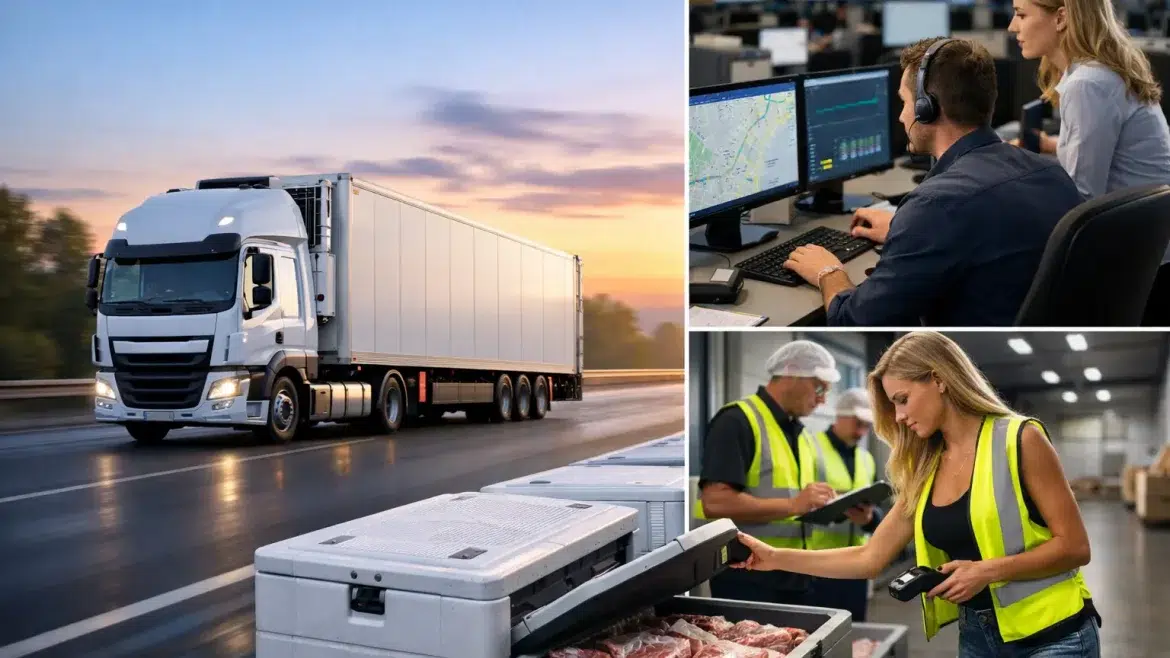
When a meat consignment is ready later than planned, a customer changes a receival window, or a vehicle becomes unavailable, the pressure is immediate. Urgent meat freight solutions are not simply about finding the next available truck. They require the right temperature-controlled equipment, a clear handover process and a carrier that can deliver without putting product integrity at risk.
For meat processors, wholesalers, distributors and foodservice suppliers, a delayed collection can quickly affect production schedules, cold-room capacity and customer commitments. The freight provider must respond quickly, but never at the expense of temperature control, cleanliness or safe handling.
What urgent meat freight actually requires
Urgent freight is often described as a fast pickup. In practice, the job starts well before the truck arrives. The carrier needs accurate information about the product, quantity, collection point, delivery location, required temperature range and delivery deadline. A pallet of frozen product has different handling requirements from chilled boxed meat, and both require a vehicle prepared for the load.
The right service also depends on the delivery site. Some receivers have a loading dock and set booking times. Others need a tailgate-equipped truck because there is no forklift available. Some jobs can move overnight to avoid congestion and meet an early-morning receival. Others need a direct run because the delivery window is tight or the product must not sit in a cross-dock environment.
Fast service matters, but a well-managed urgent job is built around control. That means confirming the vehicle is suitable, monitoring the temperature throughout transit and keeping communication clear if conditions change.
The risks of treating meat freight like general freight
Meat freight carries little room for guesswork. If a load is collected in an unsuitable vehicle, left waiting during an unplanned stop or delivered outside the receiver’s accepted window, the commercial impact can be significant. Product may need to be inspected, rejected or held while the issue is investigated. Even where product remains saleable, a late delivery can interrupt a customer’s operations and damage confidence in the supplier.
General freight networks are not always designed for time-critical chilled and frozen work. Multiple handling points, broad delivery windows and limited visibility can be acceptable for some goods, but they may not suit meat products with strict temperature and timing requirements.
A dedicated temperature-controlled service is particularly valuable when the job is urgent because it reduces the number of variables. The load can be planned around its actual requirements rather than made to fit a standard freight run.
Temperature integrity is the first priority
The required set point should be confirmed before dispatch, not assumed from the product description. Chilled, frozen and cold products each need the appropriate transport conditions, and the product should be protected from unnecessary temperature exposure during loading and unloading.
Monitoredtemperature-controlled transportgives operations teams greater confidence that the vehicle environment is being maintained through the journey. It also supports a more accountable process if a customer asks for confirmation that their freight was handled correctly.
Temperature control is not only about refrigeration equipment. Door openings, loading delays, poor vehicle hygiene and incorrect pallet presentation can all affect the quality of an urgent delivery. Experienced drivers and disciplined loading practices make a practical difference.
Compliance and clean handling cannot be rushed
An urgent collection does not remove food safety obligations. The vehicle must be clean, suitable for food freight and ready to accept the consignment. Drivers need to understand site requirements, safe loading practices and the importance of maintaining a secure cold chain.
For businesses supplying major retailers, distributors or commercial kitchens, transport standards are often part of the wider supplier approval process. Working with aSAFE FOOD accredited providercan help support the level of assurance expected across the supply chain.
How to arrange urgent meat freight without delays
The quickest way to secure a suitable service is to provide the operational details at the first call or quote request. A clear brief allows the freight provider to assess vehicle availability and give a realistic collection and delivery plan, rather than offering a vague estimate that creates more pressure later.
For urgent meat freight solutions, have these details ready:
- collection and delivery addresses, site contacts and required booking times
- product type, pallet or carton count, total weight and pallet dimensions where available
- required transport temperature and whether the product is chilled, frozen or cold
- loading and unloading equipment available at each site, including forklift access or tailgate needs
- any access restrictions, receiving instructions or proof-of-delivery requirements
This information helps identify whether the job needs a direct service, an after-hours collection, a tailgate truck or a particular vehicle capacity. It also helps avoid a common cause of delay: a truck arriving at a site that cannot load or unload the freight as planned.
If the delivery is critical, explain why. For example, the receiver may close at a fixed time, stock may be needed for a production run, or a late delivery may result in a missed dispatch. That context helps the carrier prioritise the right service level and schedule the vehicle accordingly.
Choosing the right service level for the load
Not every urgent consignment needs the same solution. A single carton going to a local customer may require a different approach from several pallets moving between a processor and a distribution centre. The right option balances urgency, product requirements and cost.
A direct vehicle service is often the best choice when delivery timing is non-negotiable, the load is high value or there is limited tolerance for additional handling. It provides the most control over pickup and delivery timing, although it may cost more than a scheduled multi-drop run.
A planned temperature-controlled run may be suitable where the delivery window is still flexible and the receiver can accept the product within an agreed timeframe. This can be a more economical option, provided the route and vehicle conditions meet the product’s requirements.
Overnight and weekend availabilitycan also be useful when standard business-hour transport will not meet the deadline. For South East Queensland businesses, this can help move product around peak traffic periods and support early receiving windows across Brisbane and surrounding areas.
What reliable communication looks like
Urgent freight jobs need more than a booking confirmation. Operations teams need practical updates they can act on. That includes confirmation that the collection has been allocated, advice if site access will affect timing, and prompt notification of any issue that could change the delivery plan.
Transparent quoting matters as well. Customers should know whether pricing is based on drops, pallets, vehicle time or a dedicated service, and whether special requirements such as after-hours work or tailgate delivery affect the rate. Clear costs make it easier to make a quick decision without unpleasant surprises after delivery.
BFC Logistics approaches urgent refrigerated freight with this operational focus: responsive quoting, suitable temperature-controlled vehicles, trained drivers and flexible delivery windows. The aim is to give customers a realistic plan and carry it through professionally.
Build a better contingency process before the next urgent job
Last-minute freight will always happen. Production runs change, equipment faults occur, stock becomes available late and customers request earlier delivery. Businesses that handle these events well usually have a simple transport contingency process already in place.
Keep current product specifications, key site contacts and regular collection and delivery requirements available to the people who book freight. Let your transport provider know about recurring urgent lanes, regular after-hours needs and sites with difficult access. These details can shorten response times when a problem appears.
It is also worth reviewing the causes of urgent bookings. Some are unavoidable, but recurring late requests may point to a production planning issue, unrealistic receival cut-offs or inadequate cold storage at a site. Freight can solve the immediate problem, while better planning reduces the frequency and cost of emergency transport.
When timing is tight, provide the clearest possible brief and choose a carrier that treats the product, deadline and customer relationship with equal care. That gives your team a practical way to keep meat moving and protect the commitments that depend on it.
NEED TEMPERATURE-CONTROLLED TRANSPORT?
Talk to BFC about your freight, delivery window and temperature requirements.
Request a quote