Dairy Delivery Options for Reliable Cold Freight
Compare dairy delivery options for chilled freight, from scheduled runs to urgent consignments, with temperature control, safe handling and clear pricing.
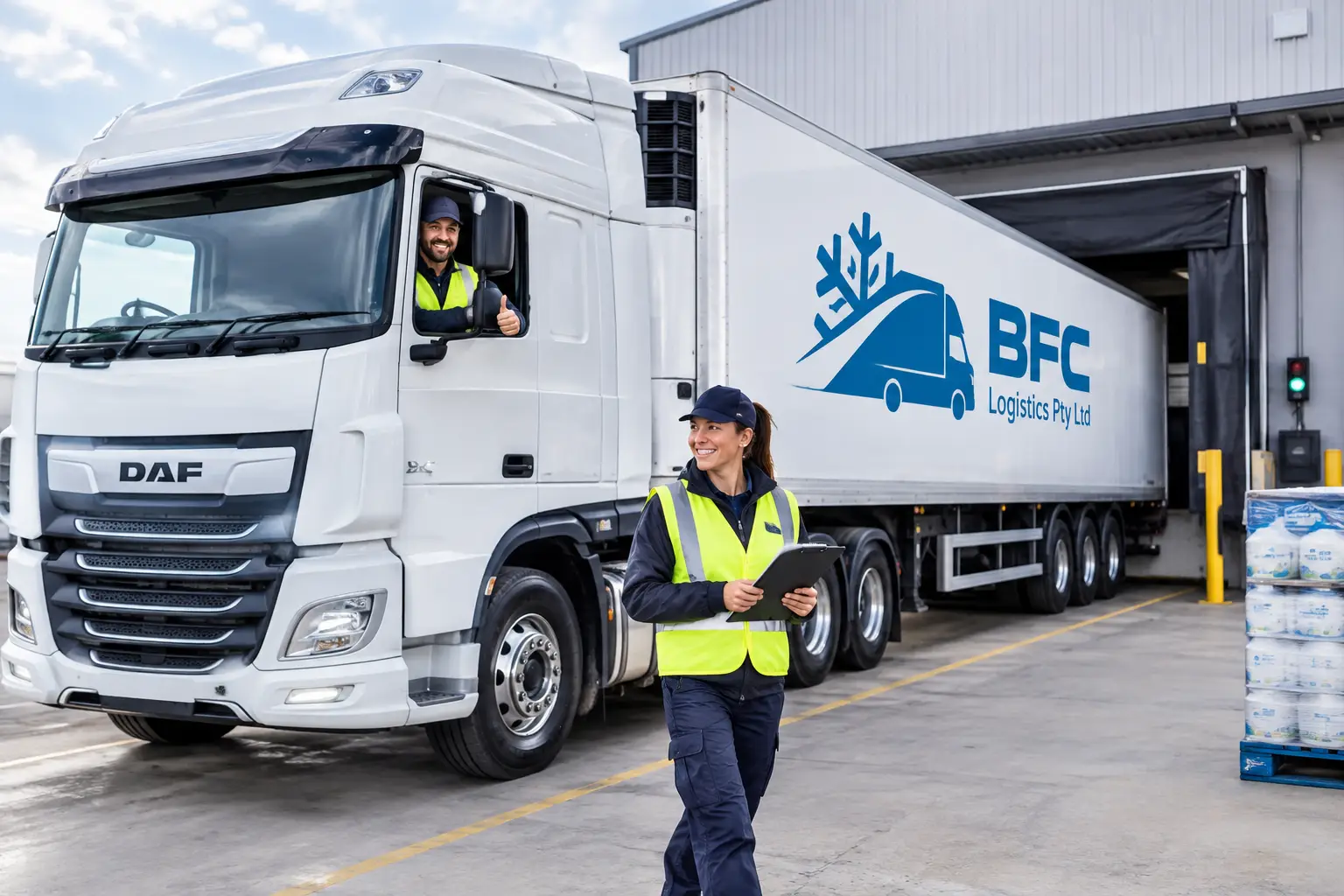
A dairy load can look straightforward on the dispatch sheet, but the margin for error is small. Milk, cream, yoghurt, cheese and other chilled lines must arrive within their required temperature range, at the agreed time and in saleable condition. The right dairy delivery options protect product integrity while helping your operation meet customer orders without unnecessary cost or disruption.
For suppliers, manufacturers and distributors, the best option is rarely just the cheapest truck available. It is the service model that matches your load size, delivery window, handling requirements and contingency needs. A carrier that understands chilled freight can help you plan routine work efficiently while remaining responsive when schedules change.
What dairy freight requires
Dairy products are sensitive to temperature variation, delays and poor handling. A late collection can shorten the available delivery window. A vehicle that is not properly prepared, cleaned or monitored can create product safety concerns before the freight reaches its destination.
That is why dairy transport should be assessed as a controlled process rather than a simple point-to-point job. The vehicle needs to be suitable for chilled freight, drivers need to understand food handling expectations, and the delivery plan must account for receiving hours, site access and unloading equipment.
Temperature monitoringis central to this process. It gives the transport provider and customer greater confidence that the cold chain has been maintained throughout transit. For businesses managing strict quality requirements, this visibility is not an optional extra. It supports accountability when products move between production sites, cold stores, wholesalers, retailers and foodservice customers.
Dairy delivery options to suit the load
The practical choice depends on how often you ship, where the freight is going and how much flexibility your customer can allow. A reliable transport partner should be able to explain the available service options clearly, including the cost basis and expected timing.
Scheduled runs for regular distribution
Scheduled deliveries suit businesses with predictable production and order patterns. This may involve daily, several-times-weekly or weekly collections, with recurring drops to the same customers or distribution points.
The advantage is consistency. Booking known lanes in advance makes it easier to align production, warehouse picking and dispatch. It can also reduce last-minute transport spend and give receiving sites a clearer expectation of arrival times. For regular dairy distribution across Brisbane and South East Queensland, scheduled chilled freight can provide the dependable rhythm that operations teams need.
Scheduled work still requires flexibility. Public holidays, seasonal demand, late production releases and changes to customer orders can all affect the plan. Choose a provider that can communicate early, adjust where practical and provide realistic delivery commitments rather than promising a window they cannot meet.
Dedicated vehicle services for time-critical freight
Adedicated vehicleis often the right choice when a load has a strict delivery deadline, needs direct transport or requires greater control over the trip. This option can suit urgent replenishment, large consignments, valuable product or deliveries where multiple stops would create too much risk.
Direct service generally means fewer handling points and less waiting time. It can be particularly useful for freight that must move after a production delay or arrive before a customer’s receiving cut-off. The trade-off is cost: a dedicated vehicle may be more expensive than a consolidated run, especially for smaller loads. However, that cost can be justified when the alternative is a missed order, rejected goods or disruption to a key account.
Consolidated freight for smaller consignments
If you are moving a smaller quantity, such as a few cartons or several pallets, consolidated chilled freight can be a cost-effective option. Your goods travel with compatible temperature-controlled freight, allowing transport costs to be shared across multiple consignments.
This approach works best when your delivery timing has some flexibility and the carrier has a well-managed network. Ask how freight is separated, how temperature requirements are managed, and whether the proposed route is appropriate for the product. Consolidation should not mean reduced care. The same expectations around cleanliness, handling and temperature control still apply.
Overnight and weekend delivery windows
Not every dairy customer receives during standard business hours. Some sites need deliveries before production starts, while others require weekend supply to maintain stock levels. Overnight and weekend services can keep product flowing without placing extra pressure on weekday dispatch schedules.
These options need careful coordination. Confirm the receiving contact, site access instructions, unloading process and any booking requirements before the vehicle is dispatched. A successful out-of-hours delivery depends on more than the truck arriving on time. It depends on the site being ready to receive the freight safely and without delay.
Match the vehicle and handling equipment to the job
Vehicle selection affects both efficiency and product protection. A full pallet load may require a different vehicle from a small mixed consignment, and access conditions at the delivery site can be just as important as load size.
Tailgate-equipped trucksare valuable where there is no loading dock or forklift available. They allow pallets to be unloaded safely at sites with limited infrastructure and can prevent avoidable delays. For cartons, cages or mixed dairy freight, the carrier should confirm the safest loading and unloading method before collection.
It also pays to check the condition of the vehicle. Clean, well-maintained refrigerated equipment helps support food safety standards and protects the professional presentation of your product. Drivers should be trained, appropriately cleared where site requirements demand it, and familiar with the responsibilities that come with handling food freight.
Questions to ask before booking dairy delivery
A transport quote should give you more than a rate. It should show that the provider understands the actual job. Before confirming a service, establish the required temperature range, collection and delivery windows, freight dimensions, pallet count, weight, site constraints and contact details for both ends of the journey.
Ask whether temperature monitoring is available and how exceptions are managed. Find out whether the price includes expected waiting time, tailgate use, multiple drops or after-hours work. Transparent pricing matters because freight costs can quickly change when details are unclear at booking stage.
Accreditation is another practical consideration. A provider operating to recognised food safety standards, including SAFE FOOD accreditation where applicable, offers added reassurance that its procedures are built around the handling of sensitive goods. This does not remove your own responsibilities as the supplier, but it strengthens the chain of control.
Finally, ask what happens when the plan changes. Dairy logistics often involves last-minute production adjustments, urgent customer requests or unexpected receiving issues. A responsive operator will give you clear options, explain the impact on timing and cost, and work with you to protect the delivery where possible.
Build reliability into the dispatch process
The strongest dairy delivery outcome starts before collection. Make sure freight is properly packed, labelled and ready at the agreed time. Provide accurate counts and dimensions, especially where pallets are involved. If there are product-specific instructions or site hazards, share them when the booking is made rather than when the driver arrives.
Clear communication between production, warehouse and transport teams prevents many common delays. If a load will not be ready, advise the carrier early. If a customer changes its receiving time, confirm the new arrangement in writing. Small actions such as these help protect vehicle utilisation, delivery performance and product quality.
BFC Logistics supports dairy suppliers and food businesses with monitored temperature-controlled transport, flexible service windows and practical handling equipment for chilled freight. Whether the job involves a single carton, regular pallet movements or an urgent direct run, the focus should remain the same: deliver on time, at the right temperature and with no uncertainty around the plan.
When dairy freight is part of your daily operation, transport should not be the weak link in the cold chain. Choose a delivery arrangement that gives your team clear timing, accountable handling and the confidence to keep serving customers when demand does not wait.
NEED TEMPERATURE-CONTROLLED TRANSPORT?
Talk to BFC about your freight, delivery window and temperature requirements.
Request a quote