Essential Cold Truck Sanitation Checks for Food
Essential cold truck sanitation checks protect food loads, support compliance and prevent spoilage, delays and avoidable customer complaints each day.
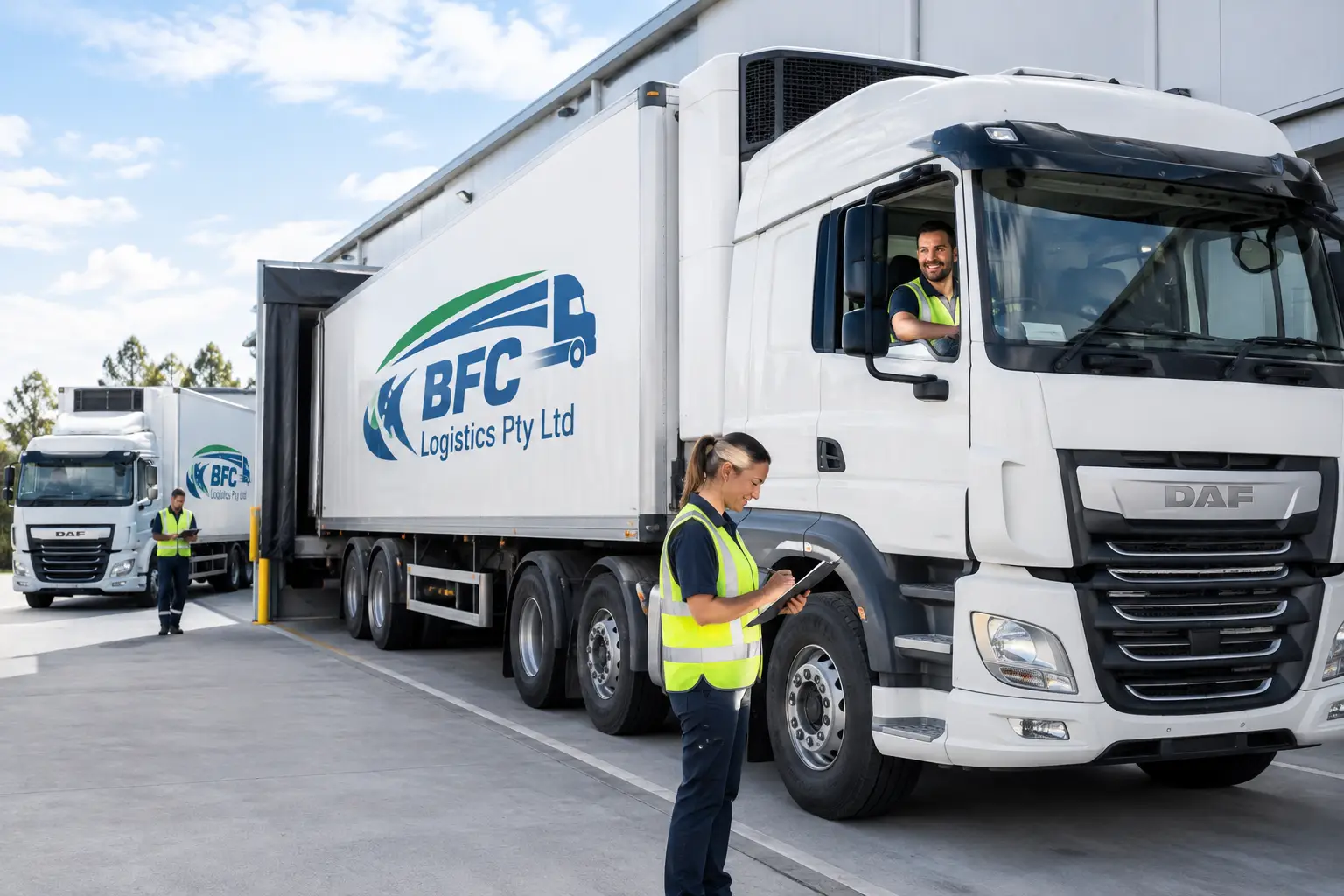
A chilled load can leave the warehouse at the correct temperature and still arrive with a food safety problem if the vehicle has not been properly prepared. Essential cold truck sanitation checks are the practical controls that stop residue, odours, pests and cross-contamination risks from following one load into the next.
For operations managers and transport coordinators, this is not simply a presentation issue. A clean refrigerated truck protects product integrity, supports customer and audit requirements, and gives drivers a clear standard before the doors close. The right process also reduces rejected loads, avoidable cleaning delays and difficult conversations at receival.
Why cold truck sanitation needs a separate check
Refrigerated transport creates conditions that can hide problems. Moisture can collect around drains, door seals and floor channels. Cold surfaces may look clean while holding residue from a previous load. If cleaning is rushed between jobs, small build-ups can become odour, mould or contamination risks.
Temperature control and sanitation work together, but they are not the same thing. A truck can hold astable setpointwhile its interior is unsuitable for the next product. That is why a pre-load sanitation check should be completed alongside the usual temperature, equipment and vehicle safety checks.
The level of cleaning required depends on the freight history and the next consignment. A sealed palletised dry product may need a straightforward inspection of a clean, dry trailer. Unwrapped meat, poultry, dairy or other exposed food products require tighter controls. Where loads have different allergen profiles or a vehicle has carried raw product before ready-to-eat goods, the cleaning standard should reflect the higher risk and the customer’s handling requirements.
Essential cold truck sanitation checks before loading
The most reliable time to identify an issue is before freight enters the vehicle. Once a load is on board, access is restricted and any correction can affect the delivery window. Drivers and depot teams should use a consistent check that is quick enough to complete every time, but thorough enough to identify genuine risks.
Start with the trailer interior
Open the doors fully and inspect the walls, ceiling, floor, rails and corners under adequate light. The interior should be visibly clean, dry where the product requires it, and free from food particles, cardboard, plastic wrap, loose fasteners and other debris. A quick sweep alone is not a sanitation process. It removes obvious rubbish, but it does not deal with residues on contact surfaces or in hard-to-reach areas.
Pay close attention to floor channels and drain points. These areas collect wash water and organic matter, especially after chilled meat, poultry and dairy freight. Standing water should be addressed before loading because it can affect cartons, create slip risks and contribute to odour. Any stain or residue that cannot be confidently identified should be cleaned and assessed rather than ignored.
Check doors, seals and overhead areas
Door seals are a common blind spot. They need to be intact, clean and free of trapped material. Damaged seals can affect both hygiene and temperature performance, so they should be reported promptly rather than treated as a minor maintenance item.
Inspect the ceiling, refrigeration unit housing and evaporator area for condensation, drips, dirt or foreign material. Product must not be loaded beneath a drip point. If there is excessive condensation, the cause may be related to door-open time, defrost cycles, drainage or equipment condition. Cleaning the visible moisture without identifying the source may only delay the problem until the next stop.
Confirm the vehicle is free from odours and pests
A refrigerated body should smell neutral and clean. Strong odours from a previous load, cleaning chemical or spoiled product are a warning that further action is required. Odour transfer can be enough for a customer to reject sensitive products even where no visible contamination is found.
Look for pest activity as part of the inspection, including droppings, nesting material, insects or damaged areas that could provide entry. Do not load food into a vehicle with signs of pest activity. Isolate the truck, arrange appropriate cleaning or pest treatment, and record the issue under the business’s food safety process.
Verify cleaning chemicals have been used correctly
Cleaning and sanitising are different steps. Cleaning removes dirt and residue. Sanitising reduces microorganisms on a properly cleaned surface to an acceptable level. Applying sanitiser over visible soil is not an effective substitute for cleaning.
Teams should use approved chemicals at the correct dilution and allow the required contact time. Too little chemical or too short a contact period may not achieve the intended result. Too much chemical can leave residue, create odour or damage surfaces and seals. Rinsing requirements also depend on the product used and the manufacturer’s directions.
Use colour-coded equipment or dedicated tools where appropriate to prevent a brush, mop or cloth used in a high-risk area being transferred elsewhere. Store cleaning tools clean and dry. A dirty mop left in the truck is not evidence of a completed cleaning job.
Make the check part of the dispatch routine
Sanitation checks are most effective when they are built into normal dispatch, not treated as paperwork after the fact. The driver or allocated depot team member should complete the inspection before the vehicle is released for loading. A supervisor should be able to see, from the record, what was checked, who checked it, when it was completed and what corrective action was taken if a fault was found.
A practical record should cover these five areas:
- interior cleanliness and dryness, including floors, walls and ceiling
- door seals, drains and refrigeration housing condition
- odours, pest signs and foreign material
- confirmation that the required cleaning and sanitising process was completed
- corrective action, release decision and responsible person’s sign-off
Digital checklists can make records easier to retrieve, particularly when a customer requests evidence after a delivery. Paper records can work just as well if they are legible, completed at the time and stored consistently. The key is that the record reflects a real inspection, not a box-ticking exercise.
Photographs can be useful when a defect is found or when a vehicle has been deep-cleaned after a high-risk load. They provide context for maintenance teams and can help resolve questions about vehicle condition before loading. They should support the process, not replace the driver’s physical inspection.
Know when a standard clean is not enough
Routine between-load cleaning is suitable only when the vehicle remains in acceptable condition and the freight sequence presents low risk. A deeper clean may be needed after a spill, damaged packaging, product leakage, pest concern, strong odour,rejected loador suspected temperature-related spoilage.
A spill response should begin by stopping further contamination. Remove affected freight where safe to do so, contain the material, clean and sanitise the area, and assess whether nearby product, pallets or load restraints have been affected. The vehicle should not return to service until it has been inspected and released under the relevant food safety procedure.
There is a trade-off between speed and certainty when a truck is needed for the next collection. Rushing a questionable vehicle back into service may protect one booking but create a much larger cost through a rejected consignment or damaged customer relationship. A dependable transport partner plans for cleaning time, has clear escalation steps and communicates early if a sanitation issue could affect dispatch.
Train drivers to recognise, report and act
Drivers are often the last people to inspect the truck before loading and the first to notice a problem at collection or delivery. Their training should cover the practical signs of poor sanitation, correct use of cleaning products, PPE requirements, spill response and when to escalate rather than proceed.
They also need authority to stop a load where the vehicle condition is not acceptable. That decision can be uncomfortable when a customer has a strict delivery window, but it is the right one when product safety is at stake. Clear escalation support from dispatch helps drivers make sound decisions without feeling pressured to take shortcuts.
At BFC Logistics, cleanliness checks sit alongsidetemperature monitoring, trained drivers and safe handling practices because each control supports the same outcome: freight arriving in the condition customers expect. For food freight across Brisbane and South East Queensland, that consistency matters on routine runs as much as urgent or after-hours work.
A clean cold truck is not something to assume because the doors were shut after the last delivery. Treat every pre-load inspection as the point where the next customer’s product is protected, and give teams the time and authority to put it right before the vehicle moves.
NEED TEMPERATURE-CONTROLLED TRANSPORT?
Talk to BFC about your freight, delivery window and temperature requirements.
Request a quote