Express Freight for Time-Critical Food Loads
Express freight for temperature-sensitive goods: practical guidance on booking urgent chilled, frozen and dry deliveries without costly surprises now.
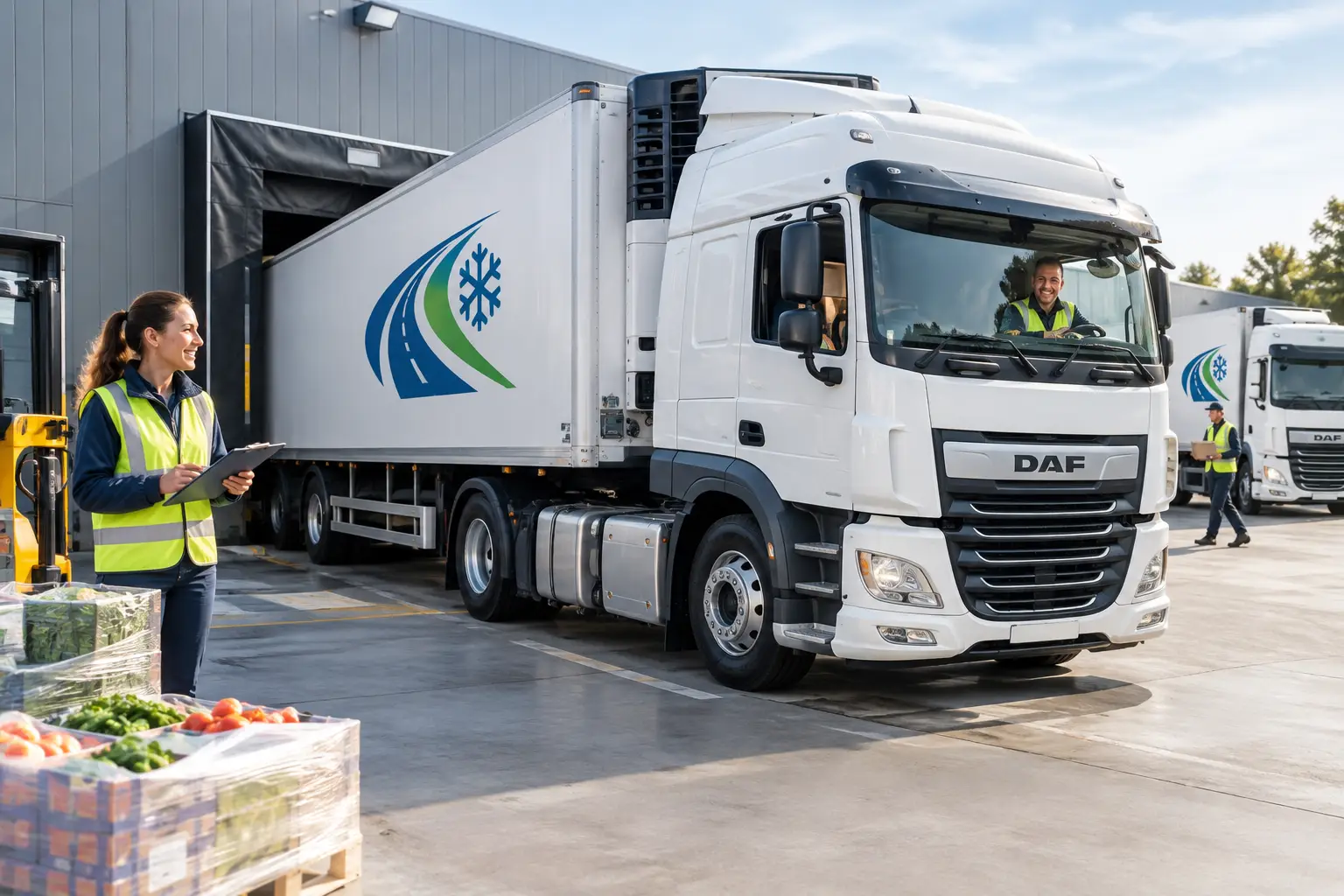
A delayed pallet of chilled dairy or frozen product is not simply a late delivery. It can disrupt receiving plans, shorten shelf life, create customer complaints and put product integrity at risk. Express freight is designed for those moments when the delivery window is tight and the freight still needs the right handling from collection through to proof of delivery.
For food businesses, speed only matters when it is supported by control. An urgent truck that arrives quickly but cannot maintain the required temperature, access the site safely or meet the receiver’s booking conditions can cost more than the delay it was meant to solve. The right service combines responsive dispatch with disciplined temperature-controlled transport.
What express freight should mean for your operation
Express freight is a priority transport service for goods that need to move within a defined, often short, timeframe. It may involve a same-day collection, direct delivery, an overnight run or a weekend movement where standard freight schedules do not fit the job.
For temperature-sensitive freight, the service should start with the product requirement, not the clock. Chilled meat, poultry, dairy and freezer products each have different handling expectations. Dry goods may not require refrigeration, but they still need clean, secure transport and delivery at the agreed time. A reliable provider confirms the freight type, temperature range, volume, locations and delivery deadline before allocating the vehicle.
Express does not always mean the fastest possible truck under any circumstance. It means a realistic, prioritised plan that protects the product while meeting the operational need. Sometimes a direct run is the right answer. In other cases, an overnight delivery or a carefully timed early-morning booking achieves the result with better site access and less waiting time.
When express freight is the right call
Urgent transport is most valuable when a normal schedule would create a genuine commercial or quality risk. This could be a production run waiting on ingredients, a distribution centre needing stock before a receiving cut-off, or an order that must reach a customer before the weekend.
It is also useful when a vehicle issue, missed collection or supplier delay has left little margin in the day. In these situations, clear communication matters as much as available capacity. Your carrier needs accurate information early so it can assess the job properly rather than promising a collection time that cannot be met.
Express freight can be particularly practical for single cartons, a small number of pallets or larger loads. The vehicle and handling equipment should match the consignment. Atailgate-equipped truck, for example, can make the difference where a collection or delivery point has no loading dock or forklift available.
The information that prevents urgent jobs going wrong
A quick quote should not be a vague quote. The fastest way to organise an urgent movement is to provide the operational details that affect vehicle selection, route planning and pricing. For express freight, four areas deserve particular attention:
- Freight details:number of cartons or pallets, dimensions, weight, product type and whether the load is chilled, frozen or dry.
- Temperature requirements:the required set point, any product-specific instructions and whether a temperature record is needed.
- Site conditions:collection and delivery addresses, contact names, booking references, opening hours, vehicle restrictions and loading equipment available.
- Timing:when the goods will actually be ready, the latest acceptable delivery time and whether there is any flexibility if traffic or site delays occur.
This information allows a transport provider to quote transparently and identify risks before the vehicle is dispatched. It also prevents the common problem of freight being ready later than advised while a dedicated vehicle waits on site. Where hourly charges, additional drops or special handling may apply, they should be explained upfront rather than appearing as an unexpected cost after delivery.
Temperature control cannot be treated as an add-on
For refrigerated freight, the product’s temperature requirement drives every part of the job. The vehicle needs to be suitable, clean and operating correctly before loading begins. Goods should be presented in sound packaging, ready to load, with cold-chain instructions clearly identified.
Temperature monitoringgives customers confidence that handling has been controlled throughout transport. It also provides an operational record when questions arise at receival. This is especially relevant for high-risk food categories, where a receiver may reject stock if the product arrives outside the agreed specification or without confidence in its transport history.
There are practical limits to what a carrier can control. Repeated door openings, long waits at a warm loading area and freight that is not at the correct temperature before collection can all affect outcomes. Good providers raise these issues early and work with the customer on a practical loading plan. They do not treat a temperature-sensitive load as ordinary general freight with a refrigerated truck added at the last minute.
Choosing an express freight provider
A fast response is useful, but it should not be the only selection criterion. Food businesses need a provider with the operational standards to protect their reputation as well as their freight.
Ask how the vehicle temperature is monitored and what procedures apply if a concern is identified. Check whether drivers are trained in food transport requirements, whether the operation holds relevant food safety accreditation, and whether vehicles are maintained to a clean, suitable standard. SAFE FOOD accreditation can provide added assurance for businesses moving regulated food products.
It is equally worthwhile to ask about practical delivery capability. Can the carrier accommodate tailgate deliveries? Can it work with booked receiving times? Is there support for overnight or weekend operations when your customer’s schedule demands it? A transport provider that understands these requirements is more likely to give a workable answer when an urgent request comes through.
Price should be clear, but the cheapest quote is not automatically the best value. A low rate that excludes waiting time, extra drops, tailgate use or after-hours work may not reflect the actual cost of the job. Compare the scope of service, not just the headline figure.
Managing the trade-offs on urgent deliveries
Every urgent movement involves a balance between speed, cost and certainty. Adedicated direct vehiclemay offer the strongest control over timing, particularly for a critical load, but it can cost more than a planned consolidated run. A flexible delivery window can reduce cost and improve vehicle availability, but may not suit a strict production or receival deadline.
The best decision depends on the consequence of being late. If the load is required to keep a production line running or prevent a stock-out, a priority service is often justified. If the delivery can be received the following morning without affecting product quality or customer commitments, overnight transport may be a more efficient option.
Build a simple escalation process into your freight planning. Identify who can approve an urgent booking, what information they need, and which delivery deadlines are genuinely non-negotiable. This saves valuable time when a disruption occurs and prevents rushed decisions based on incomplete details.
Building a more reliable urgent freight process
Businesses that regularly require express transport benefit from preparing before the urgent call is made. Keep current site instructions, receiver contacts, booking requirements and temperature specifications in one accessible place. Make sure warehouse teams know how freight should be labelled, staged and presented for collection.
It also helps to review recurring urgent jobs. If the same customer order becomes an emergency every Friday afternoon, there may be an opportunity to adjust ordering cut-offs, production timing or routine transport bookings. Express freight should remain available for genuine priority work, not become the default because the underlying schedule has not been addressed.
For Brisbane and South East Queensland food businesses, local knowledge can be especially valuable when delivery times depend on traffic conditions, industrial-site access and limited receiving windows. A provider that communicates early about likely delays gives your team time to manage the receiver rather than being left to explain a missed slot after the fact.
When a time-critical load cannot wait, give your carrier the full picture and expect the same clarity in return. BFC Logistics approaches urgent temperature-controlled jobs with practical planning, monitored transport and flexible delivery options, so the freight arrives with the care your customer expects.
NEED TEMPERATURE-CONTROLLED TRANSPORT?
Talk to BFC about your freight, delivery window and temperature requirements.
Request a quote