
Freezer Freight Risk Management Tips That Work
Freezer freight risk management tips to protect temperature integrity, prevent delays, support compliance and keep frozen goods saleable in transit daily.
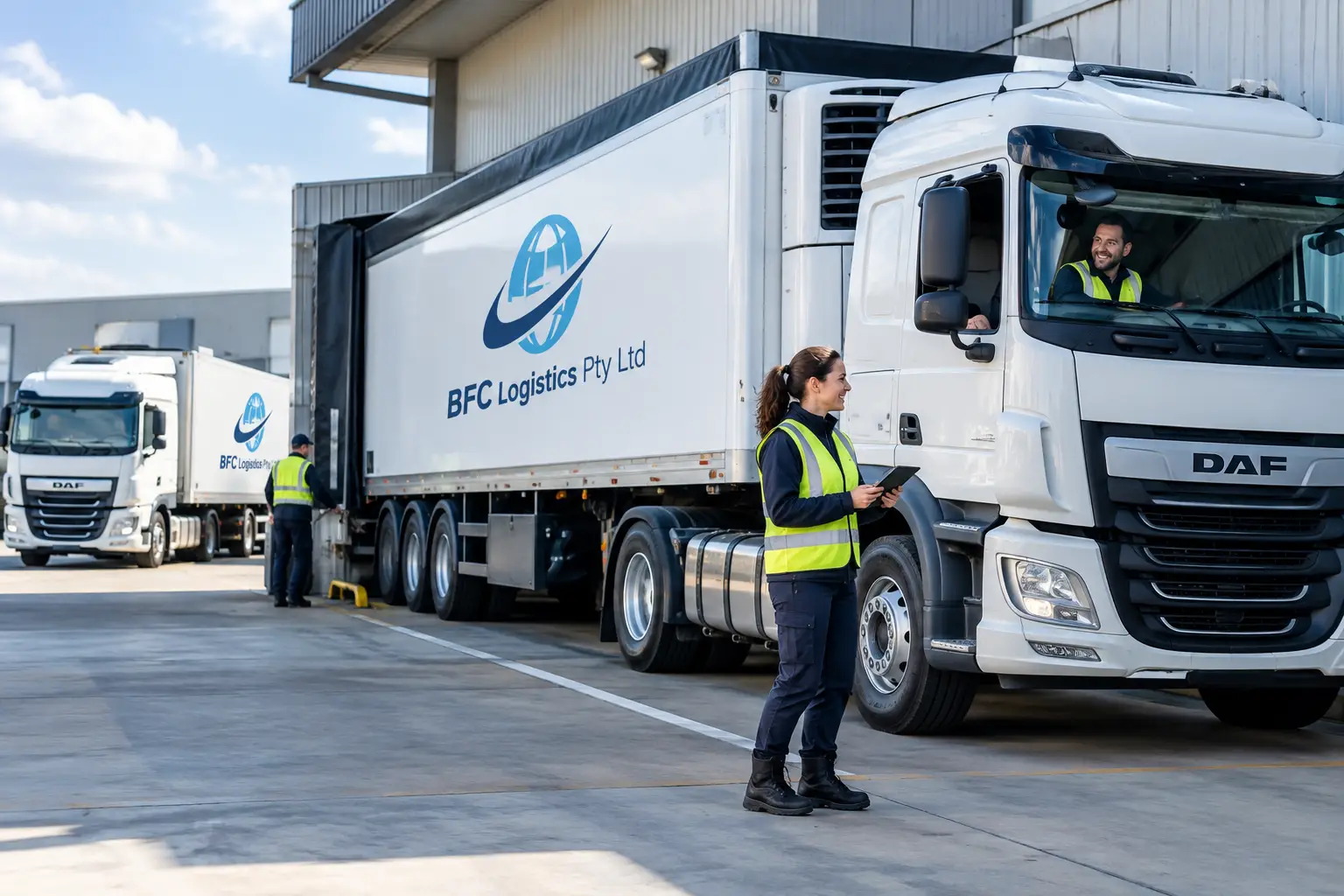
A frozen pallet can leave the warehouse at the correct temperature and still be rejected at the receiving dock. A delayed collection, an open door during loading or a vehicle that was not pre-cooled properly can put product integrity at risk long before delivery. These freezer freight risk management tips focus on the practical controls that protect frozen goods, reduce costly claims and keep deliveries moving to schedule.
Start risk control before the truck arrives
The best time to manage freezer freight risk is before goods are staged for collection. Confirm the required carriage temperature for each product line, the acceptable delivery window and any site-specific receiving rules. Do not rely on a broad instruction such as “frozen”. Different customers, products and contracts may have different specifications, including requirements for temperature records, seal numbers or delivery paperwork.
Freight details should also be accurate from the outset. A carrier needs to know the pallet count, dimensions, total weight, whether pallets are stable and accessible, and whether a tailgate lifter is needed at either end. Late changes can lead to the wrong vehicle, insufficient space or a collection that misses its booked slot.
Where mixed freight is involved, consider whether frozen goods can be loaded without compromising their required temperature or creating access issues at delivery. The lowest-cost transport option is not always the lowest-risk option. A direct service may cost more than a multi-drop run, but it can reduce handling, door openings and time on the road for time-critical stock.
Set clear freezer freight handling instructions
Every consignment should travel with instructions that a warehouse team, driver and receiver can follow without guesswork. This is particularly important for dairy, meat, poultry and other products where temperature integrity and presentation both matter.
Your dispatch instruction should confirm the set point or required temperature range, collection and delivery contacts, site booking times, special unloading needs, and the escalation contact if anything changes. It should also identify stock that cannot be left unattended or delivered outside an agreed window.
Before releasing freight, use a consistent check that covers the essentials:
- Product is at the required temperature before loading.
- Cartons, wrapping and pallets are clean, secure and free from visible damage.
- Pallet labels and delivery paperwork match the freight being collected.
- The vehicle is suitable, clean and pre-cooled for the load.
- The receiving site is expecting the delivery and can unload it promptly.
These checks take minutes. They can prevent a rejection that costs far more in returned stock, redelivery, disposal and lost customer confidence.
Choose equipment and service levels for the actual job
Freezer freight is not simply dry freight in a refrigerated truck. The vehicle needs sufficient cooling capacity for the route, ambient conditions, number of drops and frequency of door openings. It also needs to be clean, maintained and configured to protect the load during transit.
Ask whether the service is direct, multi-drop or transferred between vehicles. Each model has a place. A scheduled multi-drop run may suit stable, repeat freight with manageable delivery windows. A direct run is often the safer choice for urgent stock, high-value loads or deliveries where delays would create a receiving problem.
Access conditions matter as well. If the delivery site has no loading dock or forklift, atailgate-equipped truckmay be essential. Sending a vehicle that cannot safely unload creates unnecessary dwell time, exposes freight to warmer air and puts pressure on drivers and site teams to improvise.
A suitable carrier should be able to explain its equipment capability, temperature monitoring process, cleaning standards and driver requirements clearly. For food freight, accreditations such as SAFE FOOD accreditation and trained drivers support a more controlled operation, but they do not replace clear instructions from the sender.
Minimise exposure during loading and unloading
Most temperature risk occurs when freight is stationary and doors are open. Loading should be organised so frozen product moves from cold storage to the vehicle promptly, rather than waiting on a warm dock or in a staging area.
Have the load ready before the vehicle arrives where possible. Confirm pallet order in advance, especially for multi-drop work, so the driver does not need to search for freight or repeatedly move pallets inside the vehicle. Keep door-open time to a minimum and avoid loading ambient freight into the same compartment unless the vehicle and load plan are designed for it.
At delivery, the same discipline applies. Confirm access arrangements, booking times and receiver availability before dispatch. A truck waiting outside a site with frozen freight on board may remain temperature controlled, but extended delays still increase operational risk and can disrupt later deliveries.
If a receiver reports a queue, a closed dock or a missed booking, communicate early. A practical response might involve changing the run order, arranging a revised delivery appointment or returning stock to appropriate cold storage. The right action depends on the product, customer requirements and available capacity, but delay should never be ignored.
Monitor temperatures and respond to exceptions quickly
Temperature monitoringis valuable only when someone can act on the information. Use monitored equipment and agree on what will happen if a reading falls outside the required range, if the refrigeration unit alarms or if a vehicle is delayed by a breakdown, traffic incident or site closure.
The response plan should identify who receives the alert, who can make a product decision and how the event will be documented. Operations teams need current contact details for the customer and receiver, including an after-hours contact for overnight or weekend work.
Not every deviation means product is automatically lost. The significance depends on the actual product temperature, duration of exposure, product specification, packaging, handling history and customer quality process. What matters is that the issue is identified, contained and assessed promptly rather than discovered after delivery.
Keep temperature records with the consignment documentation where required. Clear records support customer assurance, assist with investigations and reduce disputes about what occurred in transit. They are also useful for identifying recurring issues, such as delays at a particular site or loading practices that regularly extend door-open time.
Build realistic contingency plans
A reliable freezer freight plan assumes that some disruptions will occur. Roads close, vehicles develop faults, a receiver cannot unload, or a booking changes at short notice. The aim is not to eliminate every disruption. It is to keep the response controlled.
For regular lanes, agree on practical contingencies before the first problem. This may include alternative delivery contacts, approved revised delivery windows, access to cold storage, replacement vehicle options and clear authority for urgent decisions. Businesses with strict delivery schedules should also consider whether an overnight or weekend service option is needed during peak periods.
Communication is a major risk control. A carrier that advises of an issue early gives the customer time to protect the load and manage expectations at the receiving end. Silence turns a manageable delay into a supply problem.
Protect the chain of custody
Freezer freight risk management also depends on people. Warehouse staff need to release the correct freight. Drivers need accurate instructions, safe loading conditions and authority to raise concerns. Receivers need to check freight promptly and record any issue at handover.
Maintain a clearchain of custodythrough consignment notes, collection and delivery times, temperature records where applicable, and proof of delivery. If there is damage, a temperature query or a missing pallet, accurate documentation gives all parties a factual starting point.
It is equally important to review incidents without automatically assigning blame. Look at the process: Was the freight ready? Was the vehicle suitable? Did the delivery site have capacity? Was the exception communicated quickly enough? Small changes to booking practices, pallet presentation or run planning can remove repeat failures.
For businesses moving frozen goods across Brisbane and South East Queensland, dependable transport comes from disciplined preparation and responsive communication at every handover. Choose a carrier that treats your freight instructions as operational requirements, not suggestions, and make product integrity part of every dispatch decision.
NEED TEMPERATURE-CONTROLLED TRANSPORT?
Talk to BFC about your freight, delivery window and temperature requirements.
Request a quote