
Optimise Cold Loading Schedules With Less Risk
Learn how to optimise cold loading schedules, protect temperature-sensitive freight and improve dock flow with reliable, practical planning on site.
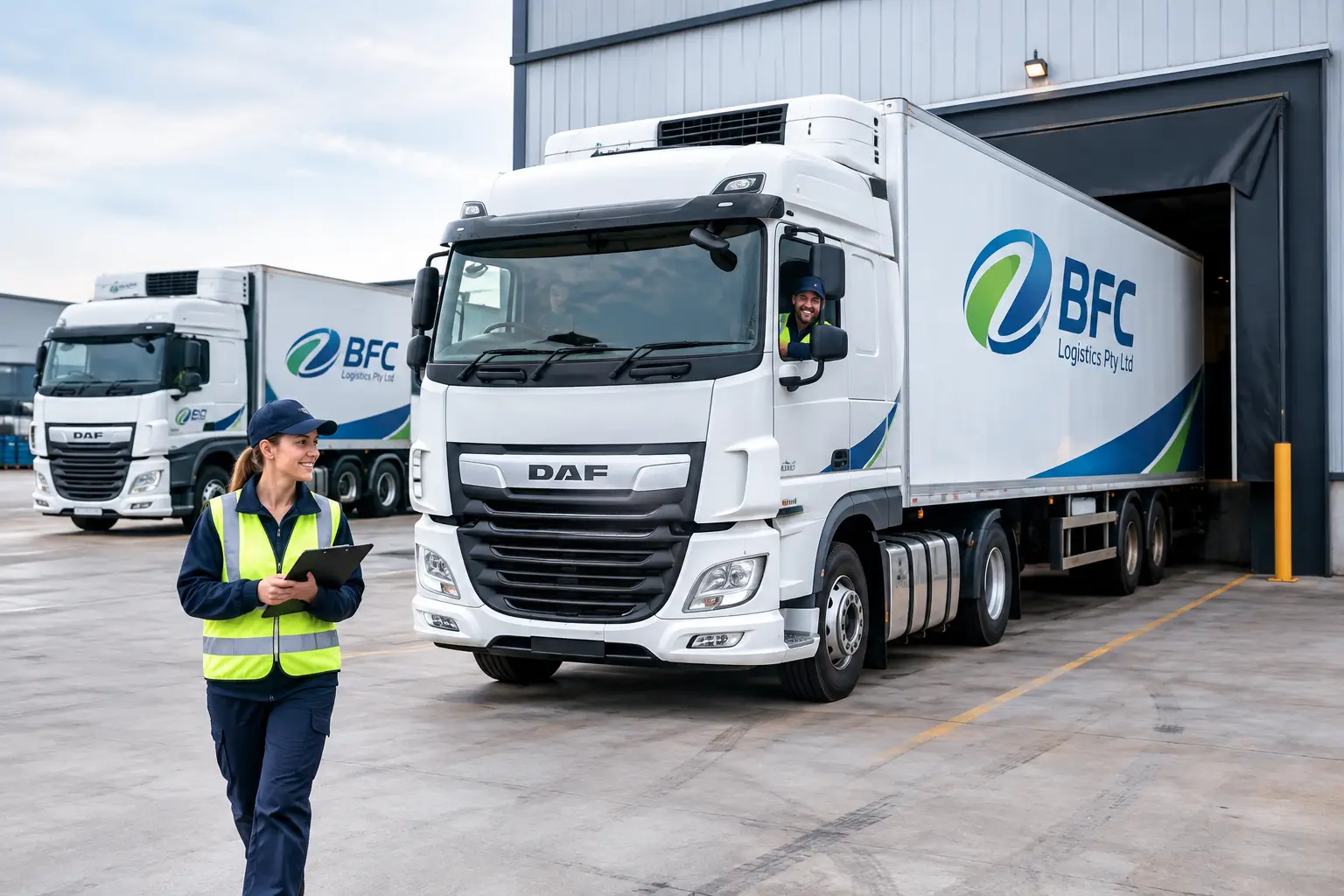
A loading dock can lose an entire morning in 20 minutes. One late inbound vehicle, an unavailable forklift or pallets not staged in order can leave chilled and frozen freight waiting while delivery windows become harder to meet. To optimise cold loading schedules, the focus needs to be on more than putting trucks into time slots. It means coordinating product readiness, dock activity, vehicle capacity, temperature requirements and the receiving site’s rules as one working plan.
For food, dairy, meat, poultry and freezer products, time at the dock is a product-integrity issue as well as an efficiency issue. The objective is simple: keep freight moving safely, maintain the required temperature range and give every consignment the best chance of arriving on time.
Start with the freight, not the truck roster
A truck departure time is only useful when the freight is genuinely ready to load. Before allocating a vehicle, confirm the product type, required temperature, pallet count, weight, dimensions, delivery order and any handling requirements. A mixed load of chilled cartons, frozen pallets and ambient stock needs different planning from a single-temperature pallet run.
Load sequencing matters just as much. Freight for the final delivery point should not block freight for the first stop. Where a multi-drop run is planned, build the load around the delivery route and customer time windows. This reduces unnecessary door openings and handling at later stops, which helps protect both temperature control and driver time.
It also pays to separate what is confirmed from what is assumed. A booking that says “eight pallets” may still need clarification on pallet height, whether the receiving site has a dock, and whether a tailgate lifter is required. These details determine which vehicle is suitable and how long the loading task will take.
Use realistic loading windows
Loading schedules often fail because every task is given the same allowance. A straightforward dock load of standard pallets is not comparable to a hand-load, a partial consignment needing careful segregation, or a collection where paperwork and count checks are still underway.
Set loading windows based on the actual work involved. Consider the number of pallets, product temperature, picking status, dock access, forklift availability, restraint requirements and the time needed to complete final checks. Include a sensible buffer for normal variation, particularly before a strict customer delivery window.
Too much buffer can leave trucks and drivers waiting. Too little turns small delays into missed deliveries. The right allowance depends on the site and freight profile, so review loading times regularly rather than relying on estimates set months ago.
Stagger departures where the dock is the constraint
If several vehicles are due to load at the same time, loading bays, forklifts and dispatch staff can quickly become the bottleneck. Staggering departures by even 15 or 30 minutes may create a calmer, more controlled process than trying to load every vehicle at once.
Prioritise departures with fixed delivery appointments, longer travel times or limited receiver access. Flexible jobs can then be scheduled around those commitments. This is particularly useful for overnight and weekend work, when customer operating hours and receiving arrangements may differ from the usual weekday pattern.
Make staging a controlled process
The best loading plan can still fall apart when freight is not staged correctly. Pallets should be clearly identified, counted and positioned in loading order before the truck is called to the bay. Where practical, keep orders together and make exceptions obvious rather than leaving drivers and warehouse staff to sort them out at the vehicle.
Cold freight should not sit unnecessarily in an uncontrolled area while dispatch decisions are being made. Staging needs to protect the product’s temperature requirements, maintain cleanliness and reduce handling. For chilled and frozen goods, this may mean preparing stock in the appropriate temperature-controlled area until the vehicle is ready.
A short pre-load check prevents many avoidable problems. Confirm the consignment matches the paperwork, packaging is sound, labels are legible and pallets are stable. Check that the planned vehicle temperature is suitable for the load and that the vehicle is clean, ready and operating correctly before product enters the load space.
Build temperature checks into the schedule
Temperature monitoringshould be part of the loading sequence, not an extra task completed when there is time. A late temperature check can delay departure, while a missed check can create a much larger issue later in the supply chain.
Allow time for pre-cooling where required and verify the vehicle is at the correct operating temperature before loading begins. Avoid leaving doors open longer than necessary. Every additional minute at the dock can affect the vehicle environment, especially during busy loading periods or warmer Queensland conditions.
The required process will vary by product, customer specification and transport arrangement. Some loads need more frequent verification or specific documentation. What should not vary is accountability: staff need to know who completes each check, where it is recorded and what happens if a reading is outside the acceptable range.
Give drivers a complete dispatch brief
Drivers can protect a schedule only when they have accurate information before leaving site. A complete brief should cover the delivery sequence, booked delivery windows, receiving contact details, access instructions, temperature requirements, load restraints and any special equipment needed at delivery.
This is especially important for sites with restricted access, no loading dock or limited unloading support. Atailgate-equipped truckmay be essential for one delivery but unnecessary for another. Identifying this at planning stage avoids a failed delivery attempt or a costly last-minute vehicle change.
Clear communication also helps when conditions change. If a loading delay is unavoidable, tell the driver early and advise the receiving site where necessary. Quietly hoping the schedule can be recovered on the road is not a reliable transport plan. Early notice gives everyone more options.
Measure the delays that keep returning
One-off disruptions happen. A forklift may be out of service, a customer may change an order, or traffic may affect a prior collection. Repeated delays, however, are usually a process issue worth addressing.
Track the difference between booked loading time, actual loading start, departure time and delivery outcome. Look for patterns: particular shifts, certain freight types, specific loading bays or delivery runs that regularly depart late. The point is not to blame staff. It is to find the constraint and fix it with better information, revised time allowances or a different sequence.
Common causes include orders released too late from production, incomplete paperwork, inconsistent pallet presentation, vehicle allocations that do not match the job, and too many urgent additions placed onto an already full run. Once the cause is visible, a practical change can often remove it.
Plan for urgent freight without disrupting every run
Last-minute bookings are part of temperature-controlled transport. The answer is not to force every urgent job onto the next departing truck. That can compromise capacity, loading order and delivery commitments already made to other customers.
Keep a defined process forurgent work. Confirm the product details, collection readiness, delivery deadline and equipment needs first. Then assess whether the freight can fit safely and efficiently into an existing run or needs a dedicated solution. Transparent advice is better than an unrealistic promise.
For businesses across Brisbane and South East Queensland, local knowledge, flexible dispatch options and dependable communication can make the difference when an urgent job needs to move outside standard hours. BFC Logistics plans each consignment around the freight, the delivery commitment and the handling conditions required to protect it.
Treat loading as part of customer service
Customers rarely see the loading dock, but they feel the result. They see freight arrive within the agreed window, receive product in good condition and avoid the disruption of a missed or rejected delivery. That outcome starts well before the vehicle reaches their site.
When loading is planned properly, warehouse teams have clearer priorities, drivers leave with the right information and operations managers have fewer exceptions to chase. More importantly, temperature-sensitive goods spend less time exposed to avoidable risk.
The next useful improvement is often a simple one: review tomorrow’s dispatches before the pressure starts, confirm what is genuinely ready and give the highest-risk loads the time and equipment they need. Consistent preparation is what keeps cold freight moving when the schedule gets tight.
NEED TEMPERATURE-CONTROLLED TRANSPORT?
Talk to BFC about your freight, delivery window and temperature requirements.
Request a quote