
What Causes Spoilage in Refrigerated Freight?
What causes spoilage in freight? Learn how temperature, time, handling and hygiene affect food integrity from dispatch through to delivery safely on route.
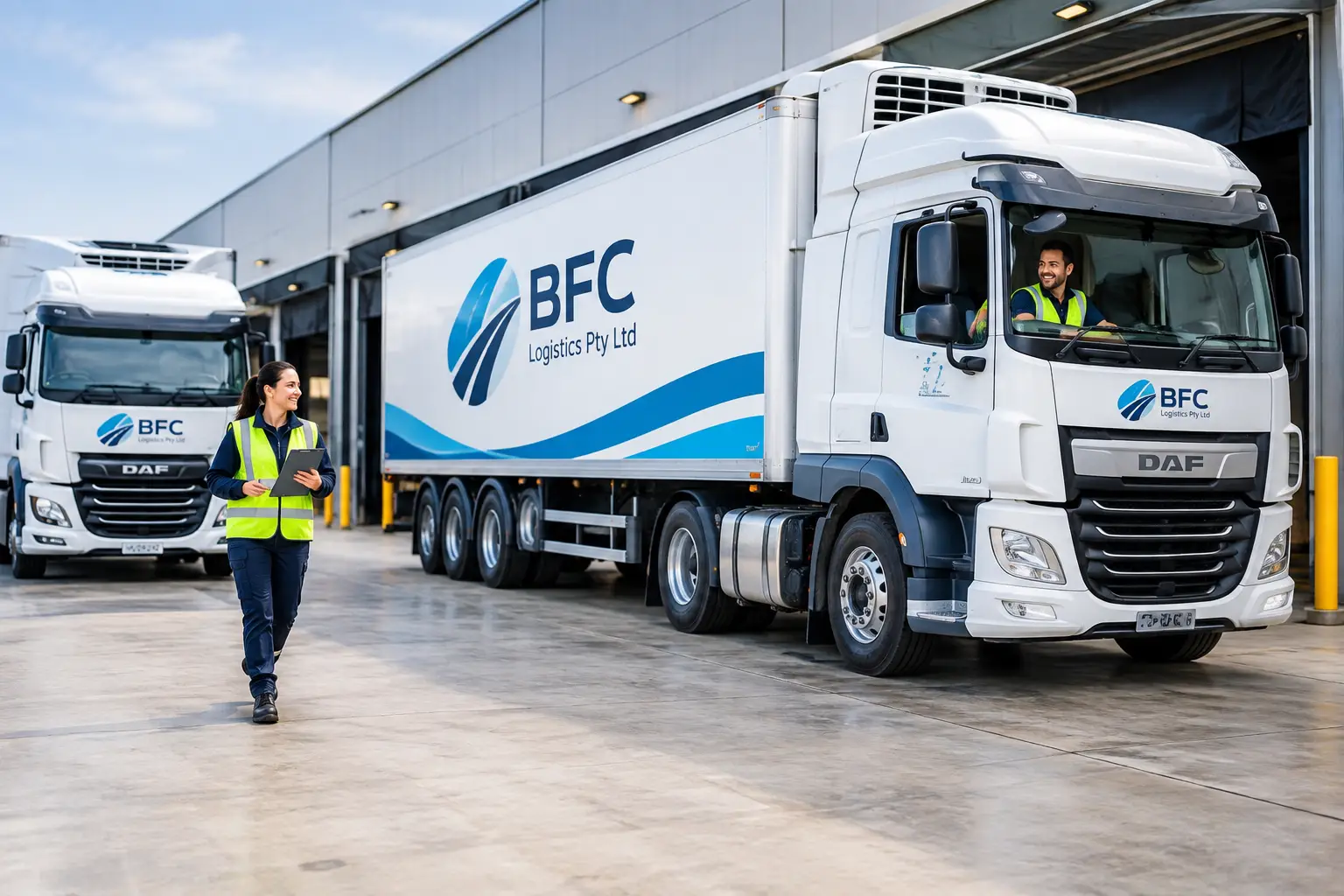
A load can leave a clean warehouse at the correct temperature and still arrive with a spoilage issue. That is why askingwhat causes spoilageis not just a food safety question. For food manufacturers, distributors and warehouse teams, it is a transport planning question that affects stock value, customer confidence and compliance.
Spoilage is rarely caused by one dramatic failure alone. More often, it develops through a chain of small issues: product held too long before loading, warm air entering during multiple drops, poor airflow around pallets, a damaged carton, or a delivery delay that goes unmanaged. Protecting temperature-sensitive freight means controlling that chain from collection through to handover.
What causes spoilage during freight transport?
Food spoilage occurs when microorganisms grow, chemical changes affect the product, or physical damage reduces its safety or quality. In refrigerated freight, temperature and time are the main controls because they influence how quickly these changes can occur.
Chilled products such as dairy, fresh meat, poultry and prepared foods are particularly sensitive. Freezer products have different risks: while frozen storage slows microbial growth, thawing and refreezing can affect texture, packaging, quality and shelf life. Dry freight also needs protection from heat, moisture, pests and contamination, depending on the product.
The practical point is simple: each product must remain within its required conditions for the whole journey, not only when it leaves the depot or arrives at the receiver.
Temperature excursions and lost cold-chain control
A temperature excursion is any period where product is outside its specified temperature range. It may last only a short time, but its impact depends on the product, the temperature reached, how long it remained there and its condition before the event.
Common causes include a vehicle arriving without enough pre-cooling, doors being left open during loading, frequent deliveries, incorrect set points, mechanical faults or product loaded straight from a warm holding area. Ambient conditions in South East Queensland can make these issues more severe, particularly during summer or when vehicles are waiting at an uncovered dock.
Vehicle air temperature is not always the same as product temperature. A refrigeration unit may be operating correctly while warm product is placed into the truck, or while tightly packed freight prevents air from moving around the load. This is whytemperature monitoring, accurate loading practices and clear communication between dispatch, warehouse and transport teams all matter.
Time outside controlled conditions adds up
Spoilage risk is not limited to a complete refrigeration failure. Product can lose valuable shelf life through repeated short delays. A pallet waiting on a loading dock, an unplanned stop, a missed booking slot or a receiver not ready to unload can all extend the time goods spend outside the intended environment.
For operations teams, this makes delivery windows more than an administrative detail. They are part of product protection. A reliable carrier should plan realistic collection and delivery times, communicate early if a delay develops, and have the flexibility to support overnight or weekend movements where that is the safer operational option.
The appropriate response depends on the product and the agreed temperature specification. Some goods may remain acceptable after a limited, documented event. Others may require immediate assessment, segregation or rejection. Guesswork creates risk, so records are essential.
Loading delays can be as damaging as road delays
Transport is often blamed when a delivery arrives warm, but the issue may have started before the truck left site. Freight that is not ready at collection, has not been brought down to the required temperature, or is staged in an unsuitable area begins the journey at a disadvantage.
Clear handover procedures help prevent this. The sender should provide the product requirement, the receiver’s delivery conditions and any handling instructions before collection. The carrier needs enough time and access to load correctly without rushing a temperature-sensitive job.
Poor airflow inside the vehicle
Refrigerated vehicles cool the air around freight. They cannot instantly pull heat out of a load that has been packed too tightly, loaded warm or stacked against air outlets. Airflow is needed to maintain consistent conditions across the vehicle.
Problems can arise when pallets are pushed hard against walls, freight blocks the evaporator area, or mixed pallet heights create restricted air paths. Overloading can also prevent the refrigeration system from performing as intended. The rear of the load, the floor area and pallets near door openings can experience different conditions from freight closer to the cooling unit.
Correctpallet configuration, sensible load planning and suitable vehicle capacity reduce this risk. Where a job involves multiple temperatures, different product types or several delivery points, the transport plan needs to account for the added complexity rather than treating every pallet as the same.
Damaged packaging and poor handling
Packaging is a critical barrier against moisture, bacteria, odours and physical damage. Once that barrier is compromised, spoilage can accelerate even if the truck temperature remains correct.
Crushed cartons, split shrink wrap, broken seals and leaking product can result from rushed loading, unstable pallets or unsuitable equipment. They can also expose surrounding freight to contamination. Meat and poultry products, dairy cartons and frozen goods all require careful handling, particularly when loads are transferred across docks or unloaded by hand.
Tailgate-equipped vehiclescan help where loading docks are unavailable or site access is limited. Just as importantly, trained drivers need to understand how to position, secure and unload freight without damaging product or creating unnecessary door-open time.
Hygiene and cross-contamination
Spoilage organisms can be introduced through dirty handling equipment, contaminated vehicle surfaces, leaking loads or poorly maintained storage areas. A clean vehicle is not simply a presentation standard. It is a practical food safety control.
Cross-contamination risk increases when incompatible goods are carried together without appropriate separation, or when a previous load has left residue, odour or debris behind. Freight teams should consider the condition of pallets and outer packaging as well as the product itself. A dirty or wet pallet can compromise otherwise sound cartons.
For sensitive food freight, accredited processes, documented cleaning standards and trained personnel provide assurance that hygiene is being managed consistently. SAFE FOOD accreditation is one useful indicator that transport controls are being taken seriously, but daily discipline at collection and delivery remains just as important.
Incorrect product information and set points
A refrigerated vehicle can only follow the instructions it receives. If the booked temperature is wrong, the product type is unclear, or special handling needs are not communicated, a technically successful delivery may still fail the product requirement.
This is especially relevant for mixed loads. Chilled and frozen goods cannot be managed as one generic refrigerated shipment, and different chilled products may have their own approved conditions. Logistics teams should confirm the required temperature, whether the freight must remain frozen or chilled, collection readiness, drop sequence and receiver availability before dispatch.
It is also worth checking whether the stated temperature refers to air, surface or core product temperature. These are not interchangeable, and the agreed standard should be clear before the vehicle arrives.
Preventing spoilage is a shared operational responsibility
The carrier controls vehicle condition, temperature monitoring, route execution, handling practices and communication while freight is in transit. The sender controls product readiness, packaging, accurate booking information and safe loading conditions. The receiver plays a role by providing timely access, suitable unloading facilities and prompt product checks.
When each party treats the cold chain as a shared responsibility, issues can be identified early rather than discovered at rejection. Temperature records, proof of delivery details and prompt reporting give businesses a factual basis to investigate an event and decide what happens next.
BFC Logistics supports this approach with monitored temperature-controlled transport, clean equipment, trained drivers and flexible delivery options for sensitive freight across Brisbane and South East Queensland. The aim is not simply to move pallets on time, but to preserve the condition in which customers expect to receive them.
The most reliable way to reduce spoilage is to plan every handover as carefully as the drive itself. When product requirements, loading conditions, vehicle capacity and delivery timing are clear before dispatch, the cold chain has a far better chance of holding from start to finish.
NEED TEMPERATURE-CONTROLLED TRANSPORT?
Talk to BFC about your freight, delivery window and temperature requirements.
Request a quote