
What Temperature Suits Frozen Freight in Transit?
Know what temperature suits frozen freight, how to protect the cold chain and what to check before dispatching food across South East Queensland safely.
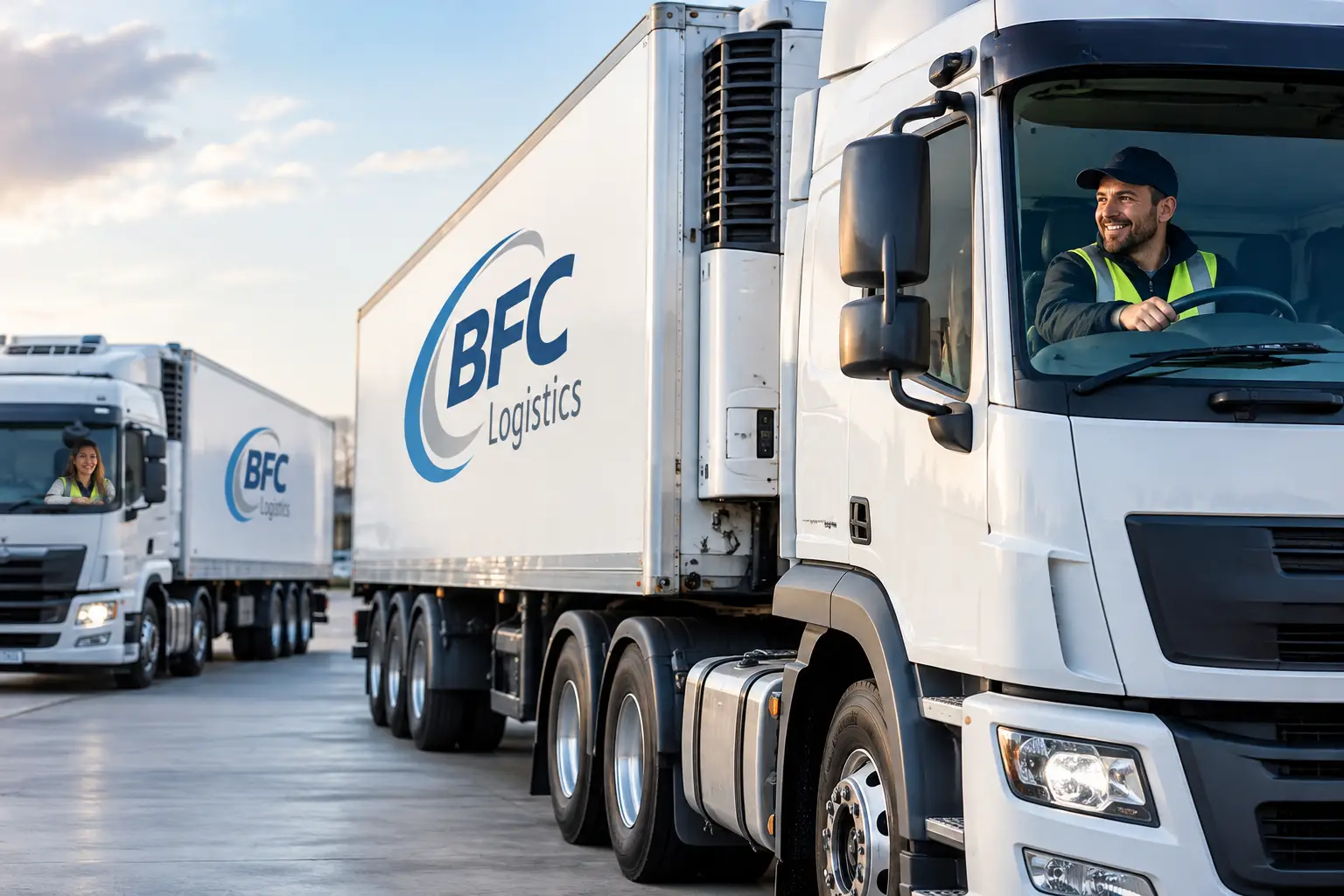
A frozen pallet can look perfectly sound at receival and still be a costly problem if its temperature history cannot be verified. The question ofwhat temperature suits frozen freightis not simply about setting the truck thermostat. It is about maintaining the product’s required temperature from collection to delivery, through loading, transport, waiting time and unloading.
For most frozen food freight, the working benchmark is-18°C or below. That benchmark is widely used for products such as frozen meat, poultry, seafood, vegetables, desserts and prepared freezer lines. However, the correct setting for a particular load depends on the product specification, packaging, journey length and the temperature standard agreed with the customer.
What temperature suits frozen freight?
For routine frozen food transport, freight should generally be carried at-18°C or colder. This helps keep products fully frozen and protects their expected shelf life, texture and quality. It also gives the operator some practical protection against minor temperature movement when doors are opened at collection or delivery.
There is a crucial distinction between thevehicle air temperatureand theproduct temperature. A refrigerated truck may be set colder than -18°C so the air circulating around the pallets can hold the product at its required temperature. The right set point is not a figure to guess. It should be based on the freight specification, how densely the truck is loaded, the number of drops and the expected time with doors open.
A load that starts at -18°C should arrive at the agreed temperature. If it begins warmer than specification, a freezer truck is not designed to quickly pull it down to compliance during a delivery run. Refrigerated transport maintains a cold chain. It does not replace proper freezing and storage before dispatch.
Why the set point alone is not enough
Temperature control is a full-chain responsibility. Product can gain heat while waiting on a loading dock, when pallets are staged too early, or during a prolonged delivery check. Even small rises at the pallet surface can lead to softened cartons, frost changes, product deterioration or a rejection from the receiver.
The risk increases with multi-drop work. Every door opening lets warmer air enter the body of the vehicle. A well-planned route, correct loading sequence and efficient unloading process reduce the exposure. This is especially relevant for deliveries to busy warehouses, food service sites and customers with narrow booking windows.
Packaging and pallet build also matter. Cartons need to be sound, wrapped securely and arranged so refrigerated air can circulate. Blocking airflow with tightly packed freight against vents can create warm areas within the load. Likewise, placing warm product beside fully frozen stock can compromise both consignments.
Temperature recordsprovide another layer of protection. Accurate monitoring gives customers evidence of how the load travelled, rather than relying on a reading taken only at departure or arrival. For high-value freezer products, that visibility can make the difference between a straightforward receival and a lengthy claim investigation.
Planning frozen freight before collection
The best temperature outcome is decided before the truck arrives. A clear booking should identify the required carriage temperature, product type, pallet count, collection and delivery windows, site access conditions and any special handling needs. If the freight needs a tailgate lifter, that should be known upfront rather than discovered at collection.
Start with the product specification
Use the manufacturer’s or customer’s transport specification as the authority for the load. Some freezer products require stricter handling because of their ingredients, packaging or intended shelf life. Others may have an agreed operating range that differs from the standard -18°C benchmark.
Confirm whether the stated requirement relates to the product core, the truck set point or the acceptable temperature at receival. These are different measures. Clear instructions prevent a common mistake: setting the vehicle to the product limit without allowing enough capacity to maintain it during the trip.
Check product condition at handover
Freight should be frozen, stable and ready for transport when presented for collection. Check for damaged cartons, loose stretch wrap, excess condensation, collapsed packaging and signs that product has been left in a warmer staging area. These issues are easier to resolve before loading than after the truck has departed.
Collection teams should also avoid leaving frozen pallets on the dock while paperwork, labels or loading arrangements are sorted out. Prepare documents and access before the vehicle is positioned, then load promptly. Every unnecessary minute outside controlled storage adds risk.
Match the vehicle and route to the job
A short, direct run with one collection and one delivery has different demands from an overnight, multi-drop route. The number of door openings, ambient weather, delivery access and waiting times should all influence planning.
In Brisbane and across South East Queensland, warm conditions can put extra pressure on frozen freight operations for much of the year. This does not mean frozen deliveries are difficult by default. It means collection times, site readiness and door-open periods need to be managed with discipline.
Typical frozen freight temperature expectations
While each product specification comes first, these examples show why freezer freight should not be treated as one-size-fits-all:
- Frozen meat, poultry and seafood are commonly transported at -18°C or below to preserve product quality and maintain the required frozen state.
- Frozen vegetables, chips and prepared meals commonly follow the same -18°C benchmark, subject to the supplier’s handling instructions.
- Ice cream and similar sensitive frozen desserts may need tighter control because short temperature rises can affect texture and appearance.
- Bakery lines, pastry and other freezer products may have product-specific requirements based on ingredients, carton design and customer standards.
The practical point is simple: never rely solely on the freight category written on a booking. “Frozen” identifies the general handling environment, but the agreed temperature requirement should be stated clearly for every consignment.
Reducing risk during loading and delivery
Cold-chain performance relies on ordinary operational habits done well. Pre-cool the vehicle where needed, ensure the correct temperature setting is in place before loading, andload frozen goodsefficiently. Keep the doors closed whenever loading or unloading is not actively occurring.
At delivery, a reliable carrier works with the receiver’s booking process rather than allowing the load to sit unnecessarily. Clear communication is particularly valuable when a site is running late, access is restricted or a delivery needs to be completed outside standard hours. A flexible service window can protect product integrity as well as customer relationships.
Drivers also need to understand the freight they are carrying. Clean equipment, trained handling, food safety procedures and accurate paperwork are not administrative extras. They support safe transport and give customers confidence that their products are being managed properly at every stop.
BFC Logistics supports frozen freight movements with monitored temperature-controlled transport, experienced drivers and practical delivery options, including overnight and weekend operations where the job requires it.
When colder is not automatically better
It can be tempting to set every freezer vehicle as cold as possible. That is not always the right approach. Excessively low temperatures can create unnecessary energy use and may not suit every product or packaging format. More importantly, an arbitrary low set point does not fix poor loading practices, delayed unloads or freight that was alreadyoutside specificationat collection.
The right temperature is the one that protects the product according to its documented requirement for the entire journey. That means selecting an appropriate set point, allowing for operating conditions and monitoring the trip rather than treating refrigeration as a set-and-forget task.
Before your next frozen dispatch, confirm the product requirement, make sure the freight is fully frozen at collection, and choose a carrier that can demonstrate disciplined temperature control from dock to delivery.
NEED TEMPERATURE-CONTROLLED TRANSPORT?
Talk to BFC about your freight, delivery window and temperature requirements.
Request a quote