
Chilled Transport That Protects Every Delivery
Dependable chilled transport for food and temperature-sensitive freight, with monitored equipment, trained drivers and flexible delivery times across SEQ.
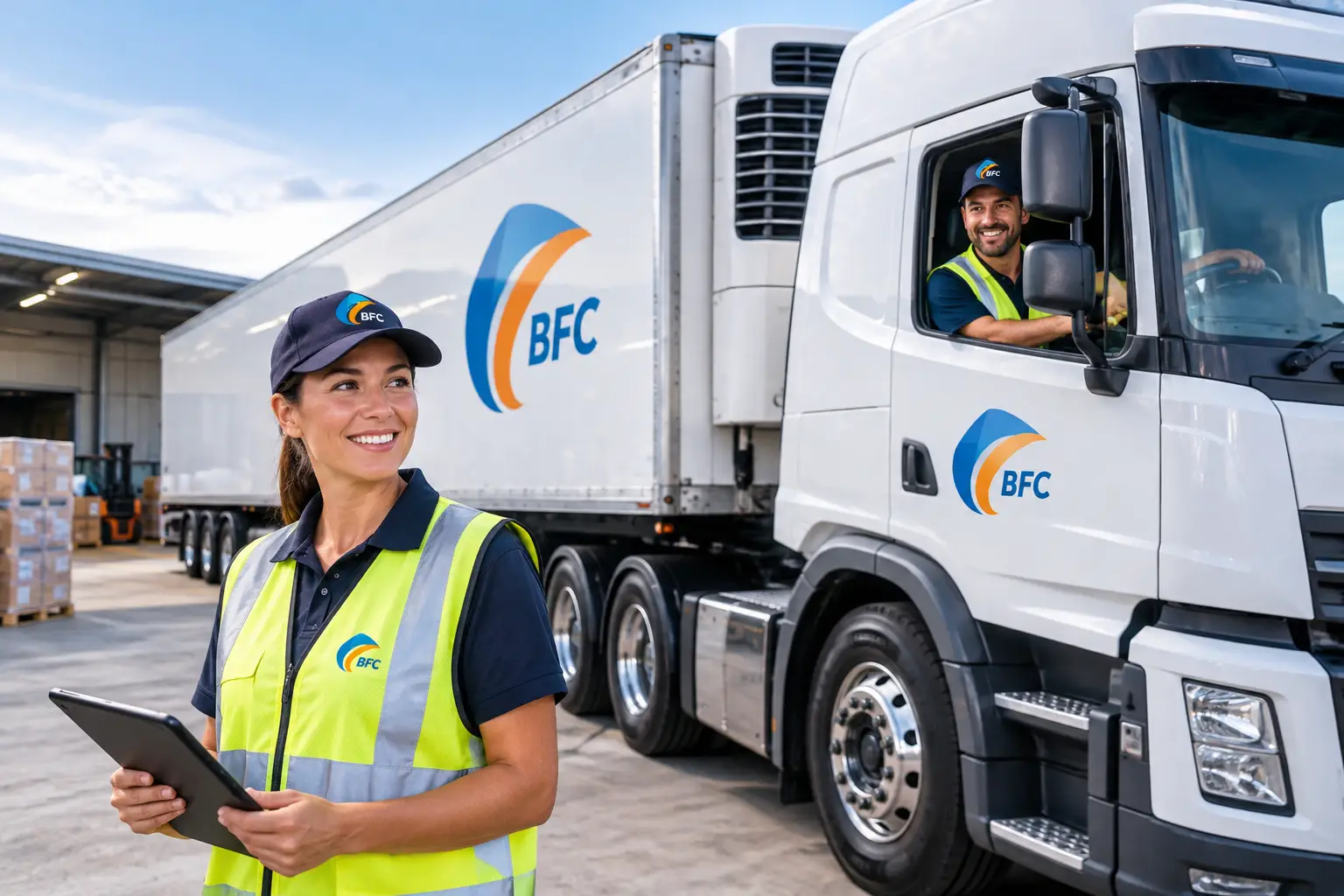
A pallet can leave your warehouse in perfect condition and still arrive as a costly problem if the temperature is not maintained, the vehicle is delayed or the receiver cannot unload on time. Chilled transport is not simply moving freight in a refrigerated truck. It is the controlled handling of products whose quality, safety and saleability depend on getting every part of the job right.
For food manufacturers, dairy suppliers, meat and poultry distributors, the pressure is practical. Orders need to meet delivery windows, products need to remain within the required temperature range, and customers need confidence that their freight has been handled properly from collection through to delivery. A dependable transport partner helps protect more than stock – it protects your customer relationships and your reputation.
What chilled transport must protect
Chilled freight has a narrower margin for error than general freight. Fresh food, dairy, prepared products and other temperature-sensitive goods can be affected by poor temperature control, extended waiting times or unsuitable handling. Even when product does not visibly spoil, a temperature issue can create compliance concerns, rejected loads and unnecessary waste.
The job starts before the truck arrives. Freight should be packed, labelled and ready for collection, with its required temperature clearly communicated. The vehicle must be clean, suitable for the load and operating at the correct set point before loading begins. From there, monitored equipment and trained drivers provide the control needed to keep the consignment on track.
Temperature is only one part of product integrity. Careful loading matters as well. Pallets need to be secure, airflow must not be blocked, and freight should be protected from avoidable exposure while doors are open. For deliveries to sites without a loading dock, atailgate-equipped truckcan make the difference between an efficient handover and a delay that puts the load at risk.
The delivery window is part of the cold chain
A refrigerated vehicle cannot compensate for a poorly planned delivery. If a receiver is unavailable, a site has limited access or unloading takes longer than expected, the transport plan needs to allow for it. That is why delivery requirements should cover more than a suburb and a contact name.
Clear booking information helps the carrier plan the right vehicle, route and service window. This includes the collection and delivery times, pallet count, weight, product temperature, site restrictions and any equipment needed for unloading. It also helps avoid surprise charges and last-minute changes that can disrupt the day for everyone involved.
For many businesses, flexible timing is not a bonus. It is essential.Overnight and weekend transportcan help suppliers meet early receiving windows, manage production schedules or move urgent stock when standard weekday services are not enough. The right option depends on the freight, destination and receiver requirements, but having access to flexible service windows gives operations teams more control.
Why monitored chilled transport reduces risk
Temperature monitoringprovides visibility where guesswork is not acceptable. It supports a disciplined transport process by confirming that the vehicle environment is being managed throughout the journey. For customers handling sensitive food freight, that visibility is a practical safeguard against disputes and uncertainty.
Monitoring is most valuable when it is backed by sound operating habits. A well-maintained refrigerated vehicle, correct pre-cooling, sensible route planning and drivers who understand chilled freight all work together. One feature on its own is not enough. A truck with monitoring equipment can still face problems if freight sits too long before loading or if the delivery site is not prepared to receive it.
This is also where compliance matters. Food freight providers should operate to standards that reflect the seriousness of the task, including clean equipment, documented processes and properly trained personnel. SAFE FOOD accreditation is one clear indicator that a provider has systems in place to manage food transport responsibilities. It gives customers greater confidence that safety and handling are built into daily operations, not treated as an afterthought.
Matching the service to the freight
Not every consignment needs the same transport arrangement. A single carton sent to a commercial receiver has different handling needs from multiple pallets moving between a production facility and a distribution centre. The best chilled transport service is one that matches the vehicle, timing and equipment to the actual job.
For smaller consignments, responsive collection and sensible consolidation can keep freight moving without paying for capacity that is not required. For larger palletised loads, load security, refrigeration performance and delivery scheduling become central to a successful run. Where access is tight or dock facilities are unavailable, a tailgate lifter may be necessary rather than optional.
There is also a trade-off between speed, cost and flexibility. A dedicated urgent run may suit a time-critical order, while a planned scheduled service may be more cost-effective for regular freight. Neither approach is automatically better. The sensible choice comes from understanding the consequences of delay, the receiver’s availability and the value of the product being transported.
Transparent pricing helps with that decision. A clear quote should explain the applicable drop, pallet and hourly rates, along with any requirements that may affect the final cost. When the scope is clear from the start, businesses can budget accurately and avoid the frustration of hidden costs after delivery.
Preparing freight for a clean handover
A reliable carrier can only work with the information and freight presented at collection. Good preparation reduces loading time, protects product and gives drivers the details they need to complete the delivery safely.
Confirm the required temperature before booking, rather than relying on a general description such as “cold goods”. Ensure cartons are secure, pallets are stable and labels can be read easily. Provide accurate site contacts, delivery instructions and booking references. If the receiver has restricted hours, vehicle height limits, a specific entry point or no unloading equipment, say so early.
It is also worth checking the handover process at both ends of the journey. Who will sign for the freight? Is there enough room for the truck to unload? Does the receiver expect pallets to be exchanged? Small gaps in these arrangements can create long delays, particularly during busy periods or for after-hours deliveries.
For regular freight movements, reviewing these details with your provider can improve performance over time. Repeated issues with access, waiting time or booking accuracy are not just day-to-day annoyances. They are useful information for refining routes, vehicle selection and service schedules.
Choosing a chilled transport provider
When product integrity is on the line, the cheapest quote is rarely the only consideration. Businesses need a provider that can respond quickly, communicate clearly and perform consistently when schedules change. Ask how temperatures are monitored, what vehicles and unloading equipment are available, and whether the provider can support your required delivery windows.
It is equally reasonable to ask about food safety accreditation, vehicle cleanliness and driver standards. Drivers are often the final point of contact with your customer, so professionalism at delivery matters. Experienced, police-cleared drivers who understand site procedures help give receivers confidence that the freight is in capable hands.
For businesses moving chilled freight across Brisbane and South East Queensland, local operating knowledge can also be valuable. Traffic conditions, industrial-site access and receiver booking practices all affect whether a carefully planned delivery stays on schedule.
BFC Logistics approaches chilled freight with a straightforward focus: suitable equipment, accurate temperature control, trained people and dependable delivery. The aim is not to overcomplicate the transport task. It is to provide a service that gives your team confidence to book freight, meet commitments and keep products moving in the condition customers expect.
The strongest transport arrangements are built before the first pallet is loaded. Share the real requirements, choose a provider equipped to meet them and treat each delivery window as part of the product’s protection. That preparation gives chilled freight the best chance of arriving exactly as intended.
NEED TEMPERATURE-CONTROLLED TRANSPORT?
Talk to BFC about your freight, delivery window and temperature requirements.
Request a quote