
How to Reduce Rejected Food Deliveries Reliably
Learn how to reduce rejected food deliveries with better booking, temperature control, clean vehicles and clear receiving checks for reliable freight.
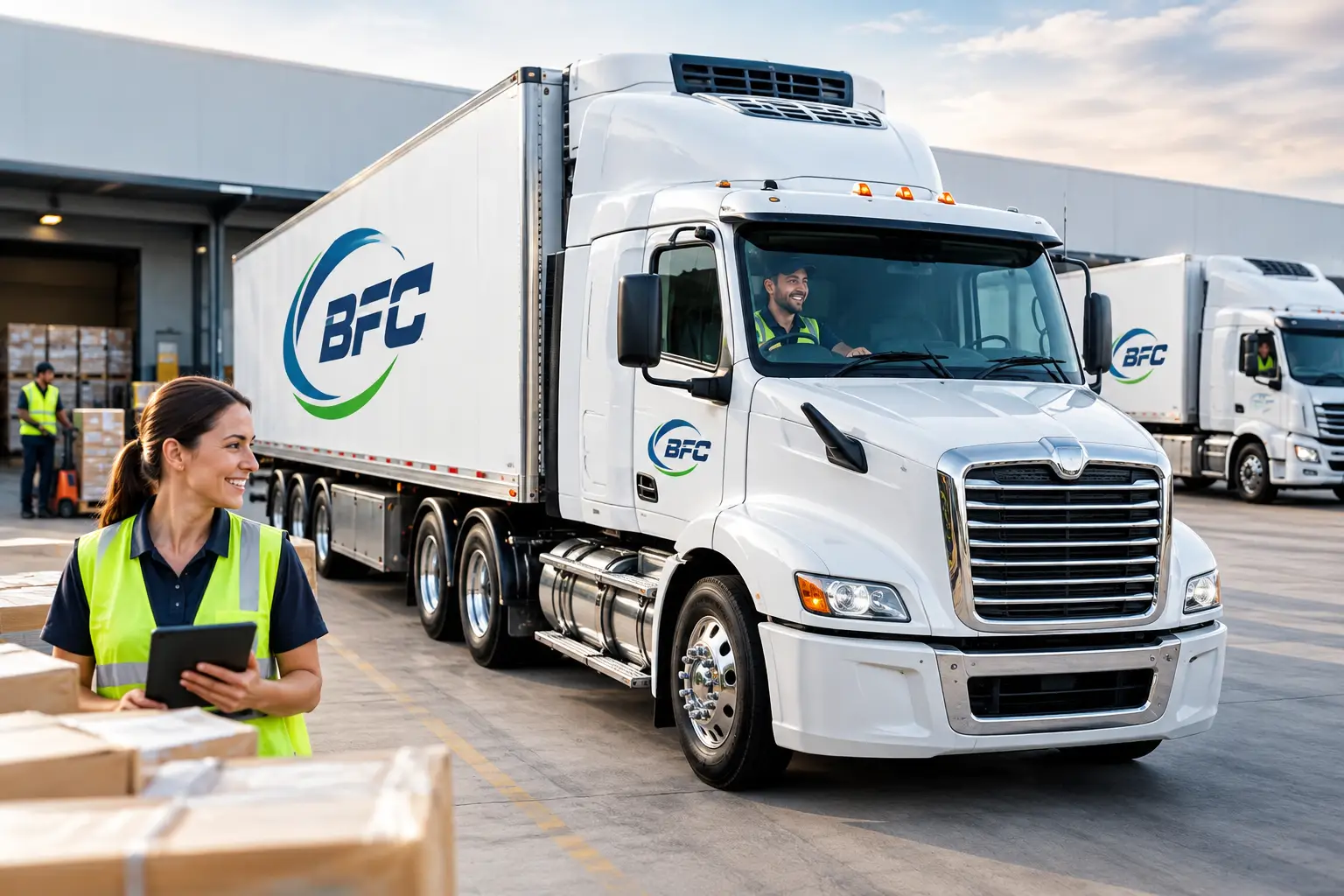
A rejected food load can turn a routine booking into an urgent operational problem. Product may need to be returned, assessed or disposed of, while your customer is left short of stock and your team is chasing answers. To reduce rejected food deliveries, the focus needs to be on the full chain of custody: the right product, at the right temperature, in a clean vehicle, with accurate paperwork and a delivery plan the receiver can meet.
For food manufacturers, wholesalers and distributors, rejection prevention is not simply a transport issue. It starts before collection and continues until the receiver signs the delivery. Small gaps in preparation often create the biggest problems at the dock.
Why food deliveries are rejected
Receivers reject freight for practical reasons. The product may be outside the agreed temperature range, packaging may be wet, damaged or contaminated, or pallet presentation may not meet site requirements. A missed booking window can also result in refusal where the warehouse has no labour, space or available receival slot.
Documentation matters just as much. If carton counts, purchase order numbers, use-by dates, batch details or delivery instructions do not match the receiver’s records, staff may be unable to accept the goods. Even when the food itself is sound, an unclear handover can leave the receiver with no safe way to book it into stock.
The cost is broader than a redelivery fee. Rejections create extra handling, temperature exposure, stock uncertainty and customer frustration. For sensitive chilled and frozen freight, each delay can increase the risk to product integrity.
Reduce rejected food deliveries before collection
The most reliable deliveries are planned around the receiving site, not just the collection time. Before dispatch, confirm the delivery address, contact details, booking reference, delivery window and any site-specific requirements. This is particularly important for large distribution centres, where a correct street address alone is not enough to secure receival.
Check whether the receiver requires atailgate lifter, pallet jack access, specific pallet configuration, carton labelling or a particular vehicle type. Some sites can unload only from a dock. Others need tailgate delivery because there is no dock or forklift available. Sending the right truck avoids a preventable refusal at the point of delivery.
Product information should be clear before the freight is loaded. Confirm the required transport temperature, the number of pallets or cartons, gross weight, stack height and whether the goods must remain frozen, chilled, ambient or segregated from other freight. If a load contains mixed-temperature product, this must be identified at booking rather than left for the driver to solve on site.
Make booking details usable
A booking that says “deliver AM” leaves too much room for error. Provide a defined time window, booking number and receiver contact wherever possible. Include instructions such as access restrictions, security sign-in requirements, unloading equipment, parking limitations and whether delivery paperwork must be presented at a gatehouse.
Last-minute changes need to reach the transport provider promptly. A changed purchase order, revised pallet count or new delivery time can cause a rejection if the driver arrives with outdated paperwork. Good communication protects both sides from avoidable waiting time and failed receivals.
Protect the temperature from loading to handover
Temperature compliance is one of the clearest ways to reduce rejected food deliveries. It is also where assumptions create risk. Setting a refrigerated vehicle to the required temperature does not automatically mean the product is at the correct temperature when delivered.
Goods should be presented for collection at their required temperature. A refrigerated truck is designed to maintain the cold chain during transport, not rapidly pull down warm product. Loading food that has not been properly chilled or frozen can lead to temperature exceptions later, even if the vehicle performs as expected.
Pre-cool the vehicleas required, load promptly and minimise door-open time. Ensure product is not blocking airflow and that pallets are stable enough to travel without collapsing or shifting. For frozen goods, keep the loading process disciplined. Repeated exposure to warm air can affect cartons, create condensation and compromise the condition expected by the receiver.
Use monitored temperature-controlled transport for freight with strict temperature requirements. Accurate records provide confidence during delivery and a clear basis for investigation if a concern is raised. Monitoring is not a substitute for good handling, but it provides visibility that verbal assurances cannot.
Separate incompatible freight
Food freight needs clean, suitable transport conditions. Strong-smelling goods, leaking cartons, damaged pallets and incompatible products can create contamination concerns, even when the temperature is correct. Plan load placement carefully and keep food freight protected from anything that could affect its safety, packaging or presentation.
Vehicle cleanlinessshould be checked before loading. Floors, walls, doors and equipment must be fit for the freight being carried. A clean refrigerated vehicle and compliant handling practices help receivers accept product with confidence rather than inspect it with concern.
Get packaging and pallet presentation right
At the receival dock, packaging condition is often judged in seconds. Loose shrink wrap, crushed corners, broken pallets and overhanging cartons suggest risk, and may be enough for the receiver to reject a load. The issue may have started in storage or during picking, but it becomes a transport problem once the freight is loaded.
Pallets should be sound, stable and wrapped securely. Keep labels visible and ensure cartons are stacked within the pallet footprint. Do not exceed agreed heights or weights, particularly where the destination has racking, conveyor or manual handling limits.
Moisture is another common concern with chilled freight. Condensation, water-damaged cartons and leaking packaging can lead to refusal because the receiver cannot confirm product condition. Use appropriate packaging, manage temperature carefully and avoid loading damaged stock simply because it is available to ship.
Drivers should also have the right equipment for the job. Tailgate-equipped trucks are valuable where dock access is unavailable, but a tailgate does not overcome unsafe pallets or poorly wrapped freight. Safe unloading depends on the condition of the load as well as the vehicle supplied.
Make paperwork match the freight
Delivery documents are part of food traceability and stock control. The receiver should be able to match the consignment to the purchase order, product description, quantities and relevant batch or date information without having to guess. If the paperwork says 20 cartons and the pallet contains 18, the discrepancy should be identified before delivery where possible.
Check paperwork against the physical load at dispatch. This simple control catches incorrect labels, swapped pallets and missing cartons before they leave site. It is far easier to correct an issue in the warehouse than to retrieve freight after it has travelled across Brisbane or wider South East Queensland.
Where a receiver reports an exception, record the details clearly. Note the time, the stated reason, product condition, photographs where permitted and any instructions given. Prompt, factual records help resolve the issue quickly and identify whether the cause sits with picking, packing, scheduling, transport or receival processes.
Choose a carrier that can support the receiving plan
The cheapest transport option can become expensive when it cannot meet the actual requirements of the freight. Food transport needs dependable equipment, trained drivers, flexible dispatch capability and clear communication when conditions change. For regular work, performance should be reviewed against on-time arrival, temperature compliance, condition at delivery and rejection frequency.
A capable carrier will ask practical questions at quoting and booking stage. What temperature is required? Does the site have a dock? Is a booking mandatory? Is a tailgate needed? Are there weekend or overnight delivery requirements? These questions are not delays. They are how transport is matched to the job.
BFC Logistics supports food freight customers with monitored temperature-controlled transport, trained drivers and flexible service windows for time-critical work. For businesses handling chilled, frozen and ambient products, that operational discipline helps protect product condition through to receival.
Treat each rejection as a process signal
Not every rejected delivery has the same cause. A one-off site access issue needs a different response from repeated temperature exceptions or packaging damage. Track the reason for each refusal, then look for patterns by customer, product type, collection site, delivery location and time of day.
When a pattern appears, agree on a practical corrective action. It may be an earlier collection time, a revised booking cut-off, stronger pallet wrapping, a different vehicle configuration or clearer paperwork checks. The best fix is usually specific and measurable, not a general reminder to “be more careful”.
Reliable food delivery is built through consistent controls, not luck. When your product, paperwork, vehicle and receiving plan are aligned before the truck leaves, the receiver has every reason to accept the freight with confidence.
NEED TEMPERATURE-CONTROLLED TRANSPORT?
Talk to BFC about your freight, delivery window and temperature requirements.
Request a quote