
Best Practices for Frozen Loading Freight
Best practices for frozen loading help protect product quality, maintain cold chain control, and keep food freight moving safely and on schedule daily.
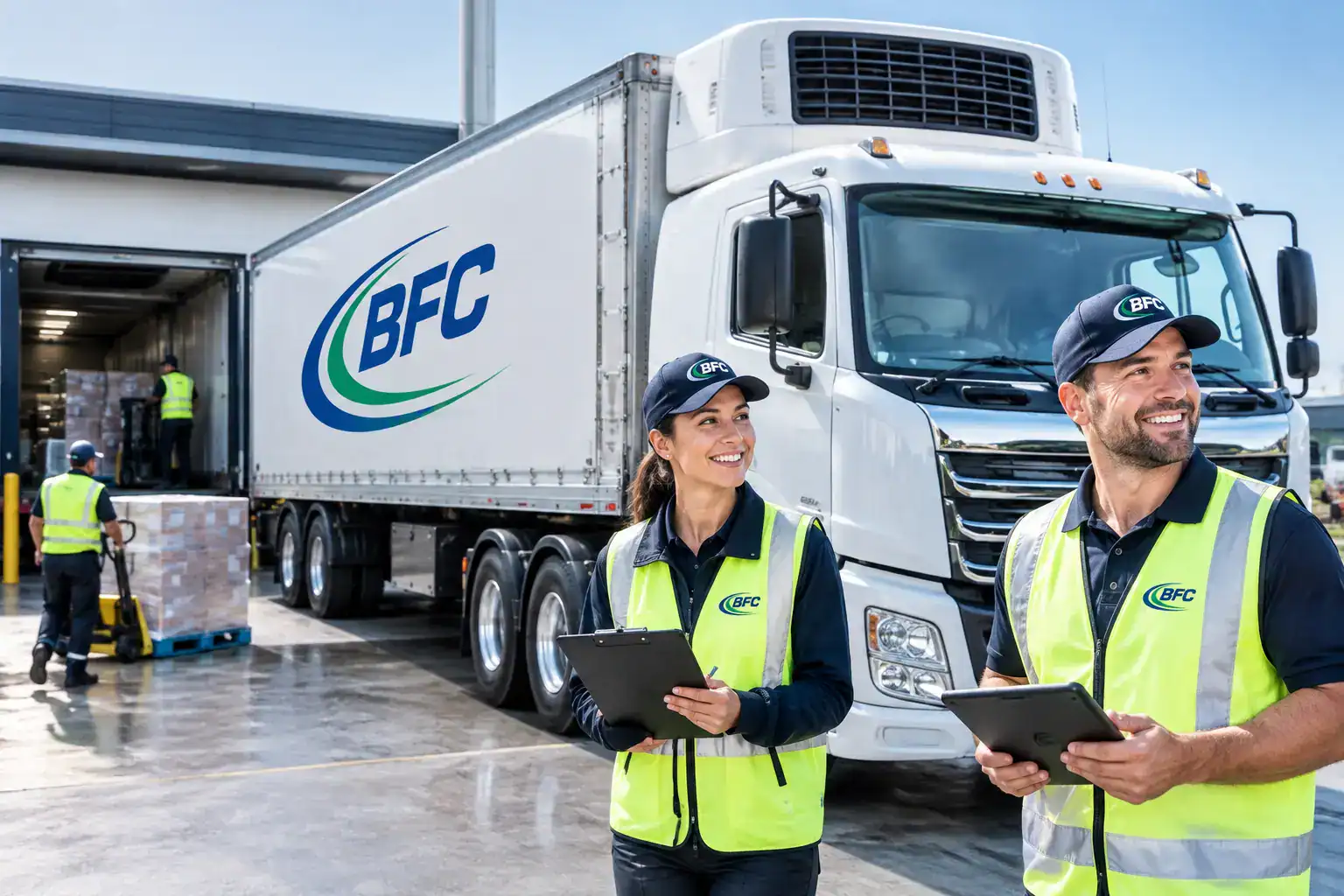
A frozen load can be within specification when it leaves the freezer and still be put at risk during the few minutes it takes to load a truck. Open doors, poor staging, warm equipment and rushed paperwork all add exposure where it is least wanted. The best practices for frozen loading are built around one goal: keeping product frozen, protected and traceable from the moment it is released to the moment the vehicle departs.
For food manufacturers, distributors and warehouse teams, loading is not simply the handover between two sites. It is a controlled part of the cold chain. A reliable process protects product quality, supports food safety obligations and gives the receiving customer confidence that freight has been handled properly.
Start with a clear loading plan
Frozen freight should not arrive at the loading point without a confirmed plan. Before pick-up, the transport provider and dispatch team need to agree on the collection window, delivery requirements, pallet count, access conditions and any site-specific rules. This allows the right vehicle, equipment and driver instructions to be in place before the load is ready.
The plan should also confirm the required carrying temperature and whether the freight has particular handling needs. Frozen meat, poultry, dairy and freezer products may have different packaging, stacking or segregation requirements. Assuming every frozen pallet can be handled the same way creates avoidable risk.
Collection timing matters just as much as vehicle availability. Freight should be picked, checked and ready to move when the truck arrives, rather than sitting in a staging area while paperwork or pallet wrapping is completed. A short, organised loading window is far safer than a vehicle waiting with doors open while the warehouse catches up.
Prepare the vehicle before frozen loading begins
A refrigerated vehicle is designed to maintain product temperature, not pull down warm freight or compensate for a poorly prepared load. The vehicle should be pre-cooled to the agreed set point before loading starts. This gives the load a suitable environment from the first pallet onward.
The cargo area must also beclean, dry and freefrom odours, debris or previous-load residue. Food freight requires more than a vehicle that looks tidy. Cleanliness and load separation are practical food safety controls, particularly where different product categories are carried across a working day.
Drivers should complete their vehicle and equipment checks before arriving at the dock. This includes confirming the refrigeration unit is operating correctly, the temperature monitoring system is active, doors and seals are serviceable, and any restraint equipment is ready to use. Finding a fault after product is positioned at the loading bay wastes time and can expose freight unnecessarily.
Wherea tailgate is required, it should be considered as part of the loading plan rather than an afterthought. Tailgate-equipped trucks can make collections and deliveries safer at sites without dock access, but they can also extend handling time if pallet condition, space and traffic flow have not been assessed.
Control the handover at the loading dock
The loading dock is where cold chain discipline is most visible. Keep freezer doors, vehicle doors and dock openings closed until the team is ready to transfer freight. Once loading begins, move pallets steadily and avoid pauses that leave product or the vehicle interior exposed to warmer air.
Staging freight in a temperature-controlled area is preferable to holding it in an ambient dispatch zone. If a temporary holding area is unavoidable, minimise the time involved and ensure the warehouse team understands which pallets are ready to load first. Frozen product should not be treated as ordinary dry freight simply because it is wrapped and palletised.
Good communication between the forklift operator and driver makes a material difference. The driver needs to know the planned load order, total pallet count, destination sequence and any pallets that require separate placement. The forklift operator needs a clear path, an accurate manifest and confirmation that each pallet is stable before it enters the vehicle.
Avoid repeatedly opening the vehicle to add one or two forgotten pallets. Confirm the load is complete before doors are closed, then complete the final checks. A disciplined handover is quicker overall and reduces the chance of temperature excursions, missing stock or unstable loading.
Load for airflow, stability and delivery order
Frozen freight needs cold air to circulate around the load. Pallets should not block evaporator outlets or be packed in a way that prevents airflow through the cargo area. Overloading a vehicle, pushing pallets hard against vents or stacking beyond packaging limits can affect both temperature performance and product condition.
Load restraint is equally important. Pallets must be stable, correctly wrapped and positioned to prevent movement in transit. A shifted pallet can damage cartons, restrict airflow and create a safety risk during unloading. The right restraint method depends on the vehicle, pallet type and load configuration, so it should be assessed rather than assumed.
For multi-drop freight, delivery sequence needs to be planned before loading. Pallets for the first stop should be accessible without unloading unrelated freight. This reduces door-open time at later stops and limits unnecessary handling. It also helps drivers meet strict delivery windows without compromising care.
There is a trade-off at times between the fastest possible loading pattern and the best route sequence. For a single direct delivery, a straightforward load may be suitable. For several deliveries, a few extra minutes spent organising the load at collection can save far more time and exposure across the run.
Verify temperatures and paperwork before departure
Temperature control should be evidenced, not assumed. Confirm the required set point, ensure monitoring equipment is functioning and record the relevant information according to the agreed process. If a product temperature check is required at handover, it should be completed with suitable calibrated equipment and documented clearly.
The paperwork must match the physical load. Check pallet quantities, product descriptions, delivery addresses, receiver instructions and special handling notes before the vehicle leaves. Discrepancies discovered after departure can lead to delays, extended door openings and unnecessary rehandling.
If freight is presentedoutside the agreed temperature range, appears damaged, or cannot be loaded safely, the issue should be escalated immediately. The correct response is not to rush it onto the truck to protect a schedule. A clear decision made at the loading point is easier to manage than a quality claim at the destination.
Train people, not just procedures
Written procedures are essential, but frozen loading standards depend on the people carrying them out. Warehouse staff, drivers and supervisors should understand why door discipline, staging times, airflow and clean equipment matter. When teams see these controls as practical product protection rather than extra administration, they are more likely to apply them consistently.
Training should cover site safety as well as cold chain handling. Forklift movements, pedestrian areas, dock edges, wet floors and manual handling risks can all affect a loading operation. A safe loading area helps the team work efficiently without taking shortcuts around sensitive freight.
It is also worth reviewing loading performance regularly. Late-ready freight, recurring paperwork errors, extended dock times and temperature exceptions usually point to a process issue that can be corrected. Small improvements in dispatch planning or communication can have a direct effect on product integrity and delivery reliability.
Best practices for frozen loading require the right transport partner
A strong loading process continues after the truck leaves the site. The transport provider needs monitored temperature-controlled equipment, trained drivers, clear communication and the capacity to meet agreed collection and delivery windows. For time-critical food freight, reliability depends on both sides of the handover working to the same standard.
BFC Logistics supports frozen freight movements across Brisbane and South East Queensland with temperature-controlled vehicles, trained drivers and flexible operating hours, including overnight and weekend services where required. Accurate quoting and clear job requirements help ensure the right vehicle and handling plan are arranged from the outset.
The practical test is simple: if a shipment is delayed, inspected or received by a demanding customer, can every stage of loading be explained with confidence? When the answer is yes, frozen freight is far better placed to arrive in the condition your business expects.
NEED TEMPERATURE-CONTROLLED TRANSPORT?
Talk to BFC about your freight, delivery window and temperature requirements.
Request a quote