
Gold Coast Food Dispatch Example in Practice
See a Gold Coast food dispatch example covering booking, temperature checks, loading, delivery windows and proof of delivery for secure cold-chain goods.
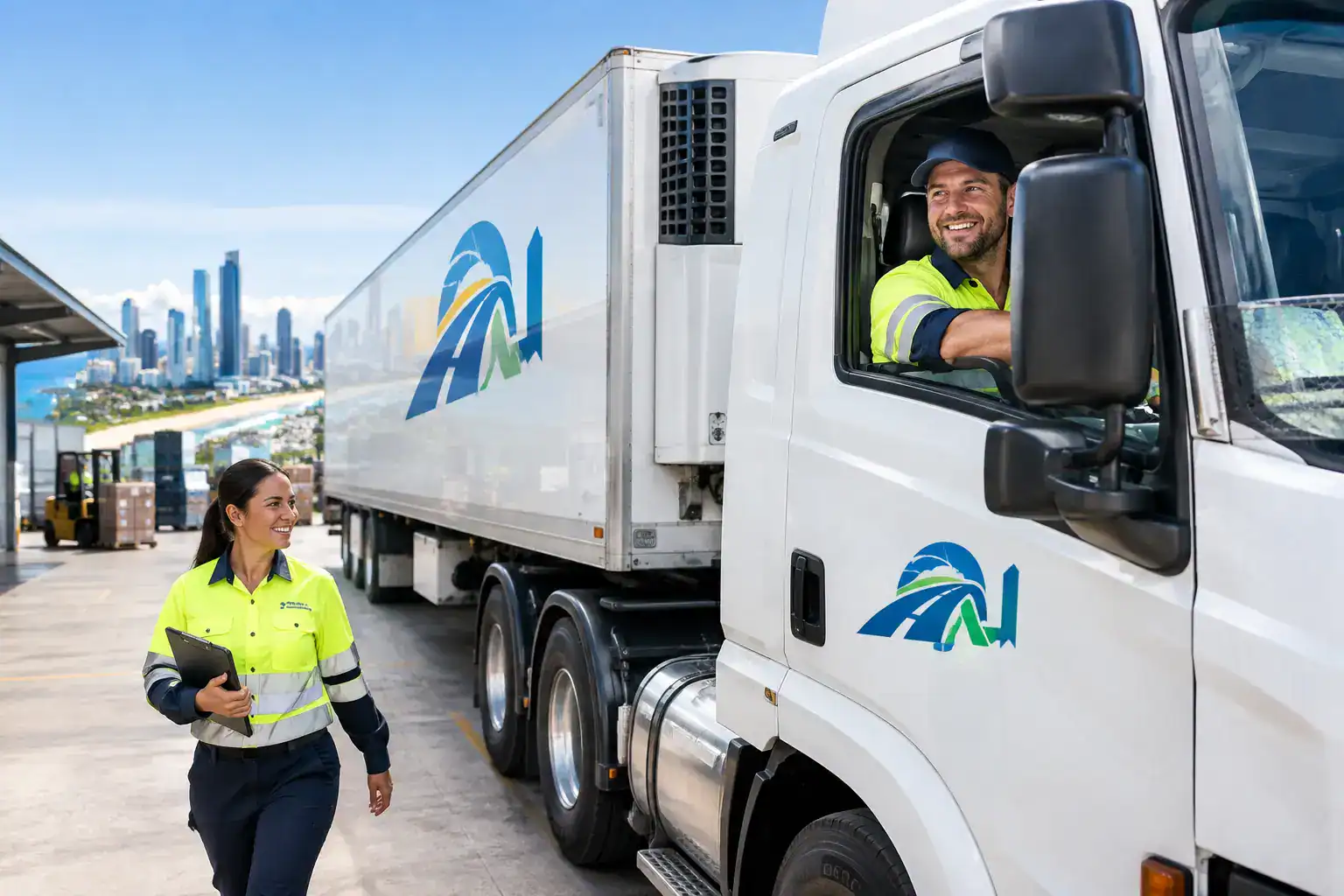
A late pickup, an unclear receiving window or one missed temperature check can turn a straightforward food run into a costly problem. This Gold Coast food dispatch example shows how a planned refrigerated freight job can move from booking to signed proof of delivery without losing control of product condition, timing or communication.
The scenario is representative rather than a fixed service promise. Every load should be planned around the product specification, pickup and delivery requirements, site access and the receiver’s available time. That preparation is what protects sensitive freight when the schedule becomes tight.
Gold Coast food dispatch example: a chilled dairy run
A dairy supplier has 10 pallets of chilled products ready at its Brisbane distribution centre. The consignment is bound for three commercial receivers on the Gold Coast: a hospitality wholesaler, a food distributor and a production kitchen. Each site has a nominated receiving window, and the final receiver can only accept freight before 2:00 pm.
The products must remain within the supplier’s stated temperature range throughout transport. The pallets are already wrapped, labelled and staged in the dispatch area. The supplier needs a vehicle that can handle palletised freight safely, provide temperature monitoring and keep the run moving if a loading dock is delayed.
This is not simply a matter of sending the nearest truck. The dispatcher needs a workable plan that accounts for the freight, the vehicle, the route and the people receiving it.
1. Booking details are checked before allocation
A reliable dispatch begins with complete job information. The supplier provides pallet count, dimensions, gross weight, required temperature range, pickup address, receiver addresses, contact names, booking references and delivery windows. Any site requirements matter too, including dock height, tailgate access, pallet exchange arrangements, security sign-in procedures and whether the driver needs to call ahead.
The dispatcher confirms whether the goods can travel together. Chilled dairy freight may be suitable for one temperature-controlled compartment, but it should not automatically be combined with frozen or ambient products. Compatibility depends on the required set points, packaging, food safety controls and customer instructions.
This stage is also where timing becomes realistic. If loading is due to start at 8:00 am but the first receiver will not accept goods until 10:30 am, there is little value in arriving early and waiting with the doors opening repeatedly. A practical route sequence protects the cold chain and gives the driver enough allowance for traffic, loading delays and site procedures.
2. The right vehicle and driver are assigned
For 10 pallets, the dispatcher allocates a temperature-controlled truck with suitable capacity and a tailgate lifter if any delivery point cannot unload from a raised dock. The vehicle is checked to confirm it is clean, operating correctly andpre-cooled to the requiredcarrying condition before the freight is loaded.
The driver receives clear instructions, not just a list of addresses. That includes the temperature requirement, delivery sequence, booking times, site contact details, any access restrictions and what to do if a receiver cannot accept the goods. Trained drivers make better decisions when they have the right information before leaving the depot.
For food freight,vehicle cleanliness is nota cosmetic detail. The load area must be appropriate for the product being carried, with no residue, odour or damage that could affect product integrity. Food safety procedures and accurate records give both the sender and receiver confidence that the freight has been handled properly.
3. Loading is controlled, not rushed
At pickup, the driver checks the number of pallets against the consignment details and looks for visible issues such as damaged wrap, crushed cartons or unstable loads. If there is a discrepancy, it should be raised before departure rather than discovered at the first delivery point.
The pallets are loaded in delivery order where practical, with the final drop positioned so that earlier freight can be unloaded without unnecessary handling. Load restraint is applied correctly, and the doors are kept open only as long as needed. This reduces exposure to outside temperatures and helps maintain an efficient unloading sequence later in the day.
The temperature monitoring process begins before the truck leaves. Depending on the job requirements, records may include the vehicle’s set point, operating temperature and any customer-specific checks. The purpose is not paperwork for its own sake. It is a traceable record that the freight was transported under controlled conditions.
Keeping the delivery schedule practical
The route is planned from Brisbane to the Gold Coast around receiver windows, not just distance. In this example, the hospitality wholesaler is booked first because its goods are needed for same-day processing. The food distributor is second, and the production kitchen is the final drop before its 2:00 pm cutoff.
Traffic conditions can change quickly on South East Queensland corridors. A sound dispatch plan builds in reasonable allowance rather than assuming every run will follow the fastest map estimate. It also gives the operations team a clear point at which to contact the customer if a delay becomes likely.
Communication matters most when the plan changes. If the first site holds the driver up because its dock is occupied, the dispatcher can advise the next receiver early, assess whether the delivery order should change and keep the supplier informed. Silence creates frustration. Timely, factual updates allow customers to adjust staffing and receiving arrangements before the truck arrives.
When a delivery site cannot receive the freight
A receiver may be temporarily unable to take a delivery due to staff shortages, a full cool room or an unexpected site issue. The driver should not leave food freight unattended or make an unapproved decision about where it goes next.
The correct response depends on the instructions provided by the customer. The dispatcher confirms whether the truck should wait, proceed to another scheduled delivery, return the freight or follow an alternative approved arrangement. Throughout that decision, temperature control remains the priority.
This is one reason flexible operating windows are valuable. Overnight and weekend freight options can help businesses manage production cycles, early receiving times and urgent replenishment work. However, flexibility still needs planning. The receiver must be ready, access must be confirmed and the required handling equipment must be available.
Delivery, records and proof of handover
At each destination, the driver follows the site’s delivery process, presents the booking reference where required and unloads the correct pallets safely. Tailgate equipment is used where appropriate, particularly at sites without a raised dock. The driver avoids leaving the vehicle open longer than necessary and checks that the consignment is handed to an authorised receiver.
The receiver signs proof of delivery, with anyshortages, damages or delivery exceptionsrecorded at the time. A clean proof of delivery closes the immediate transport task, but the record also protects all parties if questions arise later about quantity, timing or condition.
For the supplier, the practical result is more than three completed drops. It is a delivery process with clear booking details, controlled loading, monitored temperature conditions, accountable handover and a documented response path if something does not go to plan.
What makes this dispatch example useful
The value of a Gold Coast dispatch plan is not the route alone. It is the discipline behind the route. Product requirements are confirmed before the vehicle arrives. The equipment is matched to the job. Driver instructions are specific. Delivery windows are treated as operational commitments, and exceptions are communicated early.
There are trade-offs. A direct dedicated run may provide the greatest control for urgent or high-value freight, while a planned multi-drop service can be a more efficient option for compatible pallets with workable timeframes. The right choice depends on the freight specification, delivery deadline, handling needs and the cost of a delay.
For regular food movements, consistency is often where the real benefit sits. Once pickup instructions, site contacts, temperature requirements and delivery windows are accurately recorded, each repeat run becomes easier to plan and less exposed to avoidable errors. For one-off or last-minute work, a complete brief gives the dispatch team the best chance of responding quickly without cutting corners.
BFC Logistics supports temperature-controlled food freight across South East Queensland with monitored equipment, SAFE FOOD accreditation, trained drivers and flexible dispatch options. The strongest freight outcomes start with clear information and a carrier prepared to treat every pallet, window and temperature requirement as part of the job.
When you are arranging your next chilled, frozen or dry food movement, provide the full delivery picture at the outset. A precise dispatch brief gives the transport team room to act quickly while keeping product integrity and customer commitments in view.
NEED TEMPERATURE-CONTROLLED TRANSPORT?
Talk to BFC about your freight, delivery window and temperature requirements.
Request a quote